Calligraphy is more than just writing; it is a form of artistic expression that has captivated people for centuries. It combines skill, technique, and personal style to create visually stunning pieces that can evoke emotion and convey meaning. Understanding the fundamentals of calligraphy not only enhances one’s writing abilities but also introduces a rewarding creative outlet.
Practising calligraphy allows individuals to explore various styles, from elegant cursive to bold gothic lettering. Each style has its history and significance, providing a rich context for those who engage with the craft. As they delve deeper, they discover the joy of creating handwritten art that is both personal and unique.
Whether for personal enjoyment, special occasions, or professional projects, calligraphy offers a multitude of possibilities. Those who embrace this art form find a fulfilling way to express themselves while creating something beautiful and lasting.
History and Evolution of Calligraphy
The history of calligraphy reflects a rich tapestry of cultural significance and artistic expression. Its evolution showcases various styles, materials, and techniques across different civilisations.
Ancient Origins and Cultural Significance
Calligraphy has roots in ancient civilisations, with evidence traced back to the early writing systems of the Egyptians and Sumerians. These initial forms laid the groundwork for subsequent styles. In East Asia, the creation of Chinese characters marked a significant milestone, influencing artistic practices for centuries.
In ancient Greece, calligraphers aimed for both beauty and legibility in inscriptions. The use of cursive and capital letters highlighted the importance of aesthetics in conveying ideas. Across cultures, calligraphy has served not just as a means of communication but as an art form, symbolising power and status. Islamic calligraphy developed in the Middle Ages, reflecting religious texts’ spiritual significance, using ornate techniques to honour the written word.
Development of Calligraphic Styles Worldwide
As cultures interacted, calligraphic styles evolved and diversified. European styles emerged, drawing inspiration from Roman and Gothic scripts. Calligraphers experimented with different inks and pens, resulting in distinct features across regions.
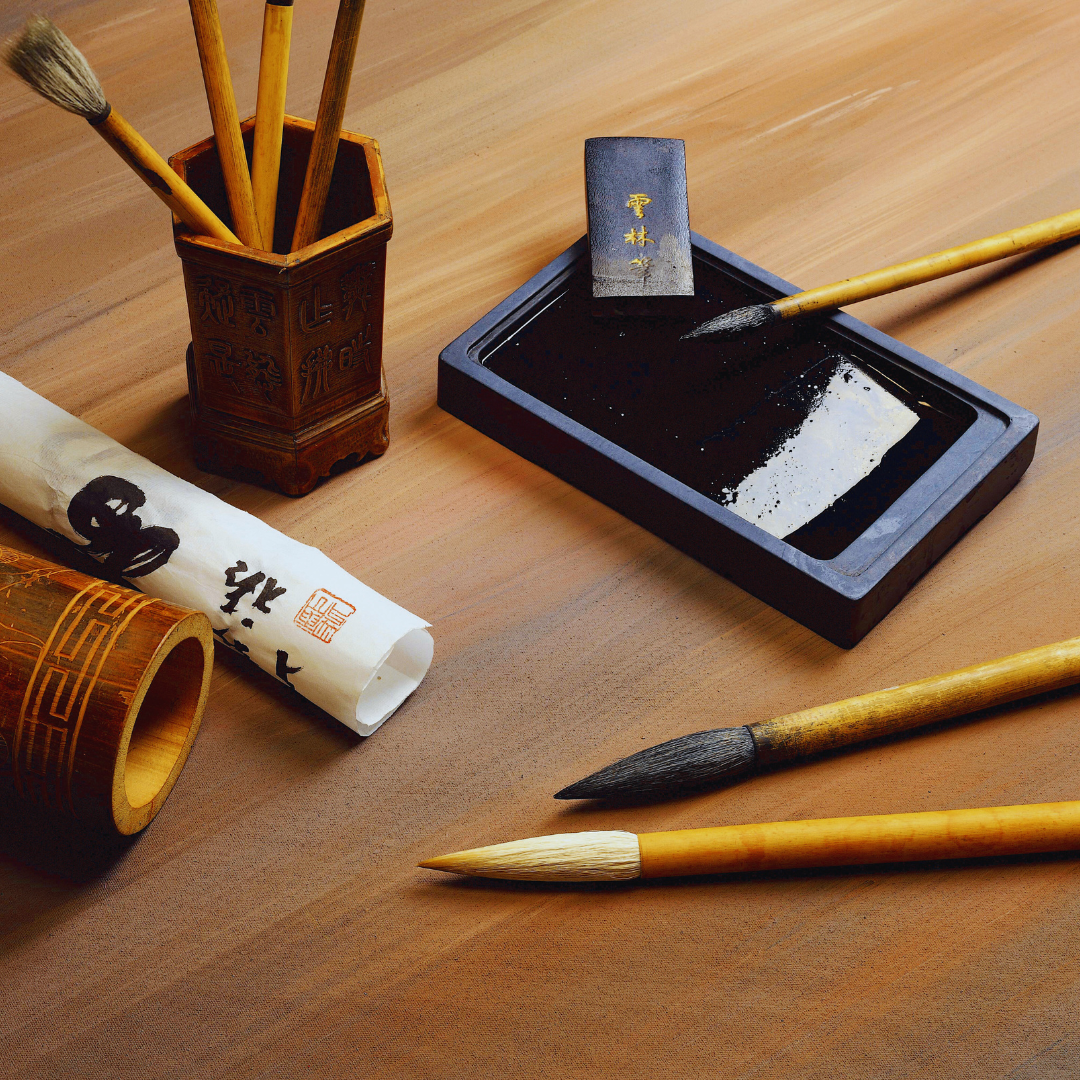
In contrast, Arabic script flourished during the Islamic Golden Age, combining artistic flair with religious themes. The intricate designs and geometrical patterns enhanced message delivery. In East Asia, brush techniques transformed Chinese calligraphy into a meditative practice, emphasising the artist’s relationship with paper and ink.
Styles continue to develop today. Contemporary artists blend traditional practices with modern elements, reflecting a global appreciation for the art form. The legacy of calligraphy endures, showcasing its historical importance and artistic diversity.
Fundamentals of Calligraphic Practice
The foundation of calligraphy lies in understanding the unique alphabet and mastering essential strokes. These elements not only shape the letters but also influence the overall composition.
Understanding the Calligraphy Alphabet
The calligraphy alphabet varies by style; for example, Copperplate and Italic scripts each have distinctive features. Each letter requires attention to detail, including the ascenders and descenders that define its height and depth.
A calligraphy alphabet can be broken into upper and lowercase letters, focusing on the unique characteristics of each. Here are some key points to consider:
- Basics: Familiarise with standard letterforms and their variations.
- Letter Groups: Group letters with similar shapes can aid in practice.
- Tools: Utilise proper calligraphy pens designed for specific alphabets.
Practice sheets featuring the alphabet will assist in reinforcing these concepts.
Mastering Basic Strokes and Letterforms
Basic strokes are the building blocks of calligraphy. Identifying upstrokes and downstrokes is crucial for creating smooth and consistent letterforms.
Each letter is typically constructed from a combination of these basic strokes. Key aspects to focus on include:
- Line Thickness: Understanding the contrast between thick and thin lines defines the elegance of calligraphy.
- Letterforms: Practice the italic script’s flowing shapes to improve proficiency.
- Technique: Concentrate on maintaining steady pressure on the pen to achieve desired stroke effects.
Regular practice using dedicated calligraphy tools enhances skill development. Engaging with practice sheets enables learners to create fluid and aesthetically pleasing letters.
Selecting the Right Tools and Materials
Choosing the right tools and materials is crucial for creating beautiful calligraphy. The options available can greatly affect the quality of the work produced, making informed selections essential.
Exploring Different Types of Calligraphy Pens
Calligraphy pens come in various types, each serving unique purposes. Dip pens are popular for traditional styles, allowing for precise control over ink flow. They can be fitted with different nib sizes, making them versatile for various scripts.
Fountain pens offer convenience and elegance. They require less maintenance than dip pens and are suitable for everyday writing. Many fountain pens come with interchangeable nibs, allowing users to explore different writing styles.
For beginners or those who want an easier entry into calligraphy, a gel pen can also be useful. It can provide smooth ink flow and consistent lines, making it a practical choice for practicing strokes and learning basic lettering techniques.
Quills provide a historical touch and a distinctive writing experience. They require skill to master and can produce exquisite lines when used correctly.
Brush calligraphy is another expressive form, using flexible brushes to create a fluid and dynamic look. Each pen type influences the stroke, flow, and character of the calligraphy.
The Role of Paper Quality in Calligraphy
Paper quality significantly impacts the final outcome of calligraphy. Using paper specifically designed for calligraphy can enhance ink flow and prevent bleeding. It is essential to choose a smooth, high-quality paper to achieve clean lines.
Calligraphy practice sheets are beneficial for beginners. They often feature guidelines to help with letter formation and spacing. Practising on these sheets allows for improvement without wasting expensive materials.
Different types of paper can yield different aesthetic results. For example, textured paper may create unique effects but can also hinder smooth pen movement. Testing various papers will help determine the best fit for individual styles and preferences.
Enhancing Well-Being through Calligraphy
Engaging in calligraphy offers a unique blend of creative expression and mindful practice. By learning beautiful writing techniques, individuals can enhance their mental well-being and connect with a supportive community.
Calligraphy as a Form of Mindfulness
Calligraphy serves as a powerful method for practising mindfulness. As individuals focus on the fluid movements of their pens, they cultivate concentration and presence. This deliberate practice encourages a flow state, where distractions fade, and thoughts are centred on the act of writing itself.
The rhythmic patterns of calligraphy create a meditative environment. Each stroke invites relaxation and a sense of calm. Practising various calligraphy scripts, whether traditional or modern, allows for exploration and creativity, further enhancing the experience.
Incorporating breathing techniques during sessions can deepen this mindfulness practice. Simple exercises, such as inhaling before each stroke and exhaling on completion, reinforce a connection between mind and body. The result is not just beautiful handwriting but also a tranquil state of mind.
Joining the Society of Scribes and Illuminators
The Society of Scribes and Illuminators (SSI) offers a community for those passionate about calligraphy. Becoming a member provides access to resources, workshops, and events that foster skills in hand lettering and visual art.
Membership opens doors to expert guidance, including the ultimate calligraphy guide, which covers various techniques and styles. Interacting with fellow enthusiasts can inspire and motivate individuals on their calligraphy journey. Sharing ideas and receiving feedback enhances creativity and fosters a sense of belonging.
Participating in workshops or online classes through the SSI allows individuals to explore diverse styles, from traditional scripts to contemporary calligraffiti. These experiences enrich their craft and support their mental well-being as they engage in a fulfilling and creative pursuit with like-minded individuals.
Leave a Reply