
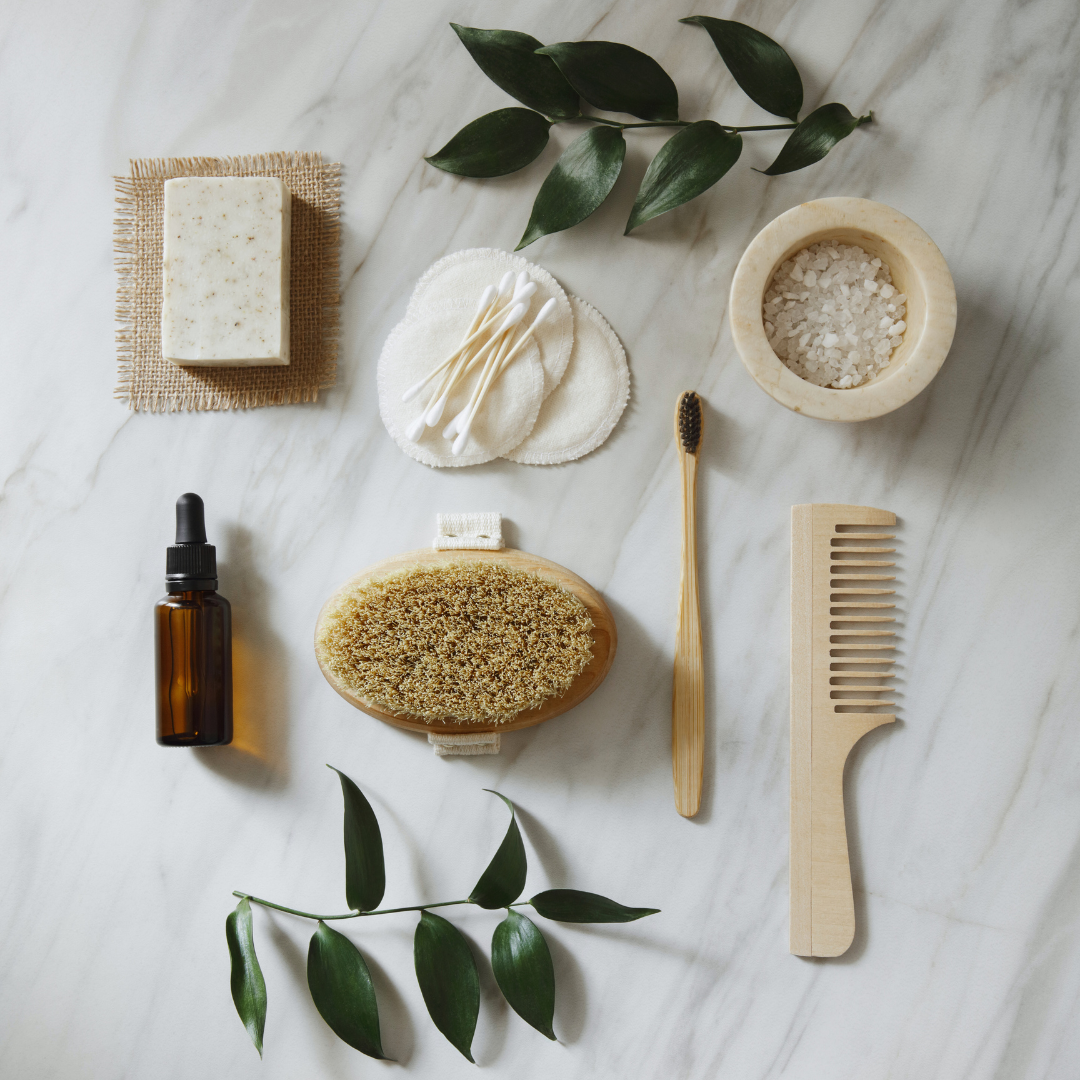
In today’s fast-paced world, busy people often overlook their own needs amid the demands of work, family, and social obligations. Incorporating self-care into daily routines is not just beneficial; it is essential for maintaining wellness and enhancing productivity. The struggle to balance responsibilities can make self-care seem like a luxury, yet even the busiest individuals can find simple ways to prioritise their mental and physical health.
One effective approach is to integrate small, manageable self-care practices into existing schedules. This could include short mindfulness exercises, brief moments of physical activity, or even dedicating a few minutes for uninterrupted relaxation. By doing so, they can gradually foster a sense of well-being without feeling overwhelmed.
Recognising the importance of self-care can lead to significant changes in how busy individuals navigate their daily lives. They can build resilience, reduce stress, and improve their overall health. Taking moments for oneself is not just a pause; it is a vital investment in a more balanced lifestyle.
Establishing a Self-Care Routine
Creating a self-care routine is essential for busy individuals to maintain balance and enhance productivity. Key components to focus on include establishing a daily routine, incorporating mindfulness, and setting clear boundaries between work and personal time.
Creating a Balanced Daily Routine
A balanced daily routine helps to structure the day and integrate self-care activities. Individuals should block out specific times for work, exercise, and relaxation.
Consider the following:
- Morning: Start with a healthy breakfast and a short workout.
- Afternoon: Schedule a break for a healthy lunch and a brief walk.
- In the evening, Dedicate time for hobbies or relaxation before bed.
Creating consistency in these activities fosters a sense of control and reduces stress. By integrating self-care into the daily agenda, individuals can enhance their productivity and mental health.
Incorporating Mindfulness and Meditation
Mindfulness and meditation are valuable tools for cultivating awareness and reducing anxiety. Individuals can begin with just a few minutes each day to engage in these practices.
Suggestions include:
- Mindful Breathing: Focus on breathing techniques to calm the mind.
- Guided Meditation: Use apps or online videos to facilitate guided sessions.
Setting aside a specific time for these practices can foster a routine that promotes clarity and emotional balance. Regular engagement in mindfulness decreases stress levels and enhances overall well-being.
Setting Boundaries for Work and Personal Time
Establishing boundaries is crucial for maintaining a healthy work-life balance. Without clear limits, work can easily intrude on personal time.
To create effective boundaries:
- Designate Work Hours: Clearly outline when the workday starts and ends.
- Turn Off Notifications: Silence work-related notifications after hours.
- Schedule Personal Time: Block specific times for family, hobbies, and relaxation.
These practices help prevent burnout and encourage more focused and productive work sessions. By respecting personal time, individuals nurture their well-being and maintain a sustainable lifestyle.
Physical and Emotional Wellness Strategies
Focusing on physical and emotional wellness is essential for busy individuals. Incorporating strategies such as exercise, nutrition, journaling, and hydration can significantly enhance one’s overall quality of life.
Prioritising Physical Health through Exercise and Nutrition
Regular exercise and balanced nutrition are foundational for optimal physical health. Busy individuals can incorporate short workouts into their day, such as 20-minute sessions of high-intensity interval training (HIIT) or brisk walking.
Nutrition plays a crucial role as well. Emphasising whole foods, lean proteins, and plenty of fruits and vegetables supports sustained energy levels. Meal prepping can save time and ensure healthy options are available throughout the week.
Stretching is also important to maintain flexibility and prevent injury. Even a few minutes of stretching in the morning or during breaks can enhance physical well-being.
Maintaining Emotional Health with Journaling and Affirmations
Journaling serves as a powerful tool for managing emotions. It allows individuals to process feelings, reflect on daily events, and note any challenges faced. A consistent journaling routine can enhance self-awareness and clarity.
Affirmations, or positive statements, can reshape negative thought patterns. Regularly repeating affirmations helps in building confidence and self-esteem. Writing them down alongside journaling practices can strengthen their impact.
Both strategies require minimal time but yield significant emotional benefits. Incorporating these practices into daily routines can foster a mindset of resilience and positivity.
Hydration and Its Importance in Self-Care
Hydration is crucial for both physical and emotional health. Adequate fluid intake affects concentration, energy levels, and mood. The general recommendation is to consume at least 2 litres of water daily, but individuals may need more based on their activity levels.
Busy schedules often lead to neglecting hydration. Carrying a reusable water bottle serves as a reminder and encourages consistent intake. Herbal teas and water-rich fruits can also contribute to hydration needs.
Recognising the signs of dehydration, such as fatigue or irritability, can prompt timely adjustments. Maintaining proper hydration is a simple yet effective self-care strategy for overall well-being.
Personal Growth and Relaxation
Fostering personal growth while incorporating relaxation techniques can significantly enhance well-being. Busy individuals can benefit from recognising achievements and engaging in practices that promote quietness and social interaction.
Celebrating Personal Achievements
Recognising personal milestones is essential for maintaining motivation. Whether large or small, achievements should be acknowledged to foster a sense of accomplishment. This practice can include keeping a journal to reflect on daily successes or sharing accomplishments with friends or family.
Creating a visual representation, such as a vision board, can also provide motivation. Individuals can include images and notes to remind themselves of their goals and the progress they have made. Regularly celebrating achievements fosters a growth mindset and encourages people to continue pursuing their aspirations.
Relaxation Techniques for a Busy Schedule
Implementing effective relaxation techniques is crucial for preventing burnout. Busy individuals can try methods such as deep breathing exercises, which can be performed anywhere, or progressive muscle relaxation to ease tension in the body. Even a brief five-minute break during the day can help recharge one’s energy levels.
Mindfulness and meditation are valuable practices that promote quiet and focus. Apps offering guided sessions can facilitate incorporating these techniques into a hectic lifestyle. Stretching or yoga also provides both relaxation and physical benefits, allowing individuals to stay grounded amidst their busy schedules.
The Role of Social Interaction in Self-Care
Social interaction plays a vital role in maintaining mental health and encouraging personal growth. Spending time with supportive friends or family can alleviate stress and provide an opportunity for shared experiences. Scheduling regular catch-ups, even if virtually, helps maintain connections that are essential for emotional well-being.
Volunteering or engaging in group activities can also enhance social interaction. These experiences can lead to new friendships while contributing positively to one’s community. Embracing social opportunities and nurturing relationships can significantly impact an individual’s ability to lead a fulfilling life.
Leave a Reply