Crafting projects offer a practical way to calm the mind by encouraging focused, repetitive movements that help shift attention away from stress and anxiety. Activities like knitting, painting, or simple paper folding engage the senses and promote mindfulness, creating a calming mental state. These hands-on crafts can reduce tension by fostering presence and offering a sense of accomplishment.
Creating a dedicated space for crafting further enhances relaxation by providing an environment free from distractions, allowing for deeper focus and creativity. Whether experienced crafters or beginners, individuals can benefit from the structured nature of these projects, which provide both a creative outlet and a therapeutic experience.
Exploring calming crafts is not just about making items; it is about cultivating a habit that soothes the mind and nurtures patience. Engaging regularly with mindful crafting practices encourages mental clarity and emotional balance, making it a valuable tool for managing daily pressures.
Understanding Mind-Soothing Crafting
Mind-soothing crafting involves activities that engage focus and creativity while promoting relaxation. These projects often use repetitive or gentle motions that encourage mindfulness and reduce mental tension. The precise ways they affect the brain and mental health are backed by scientific observation.
What Are Mind-Soothing Crafting Projects?
Mind-soothing crafts include activities that require concentrated but calming engagement. Examples are knitting, colouring mandalas, folding paper, or stitching simple patterns. These tasks often involve repetitive hand movements that help individuals maintain present-moment awareness and reduce anxiety.
They typically require minimal fast decision-making, allowing the mind to slow down. Many projects can be adapted to different skill levels and preferences. Using tools or materials like soft yarn, smooth paper, or muted colours enhances the calming effect.
Science Behind Calming Creativity
Studies show that engaging in creative tasks lowers cortisol levels, the hormone associated with stress. The repetitive nature of many crafts can trigger a meditative state, activating the parasympathetic nervous system responsible for relaxation.
Focusing on a craft task diverts attention from stressful thoughts and encourages neuroplasticity, or positive brain changes. Crafting stimulates areas linked to problem-solving and fine motor skills, supporting both mental focus and physical coordination.
The combination of tactile engagement and creative expression helps regulate mood by releasing dopamine, contributing to feelings of accomplishment and pleasure.
Benefits for Mental Wellbeing
Crafting provides an accessible way to reduce symptoms of anxiety and depression. It encourages mindfulness, which improves emotional regulation and mental clarity. Regular engagement supports a stable routine and fosters a sense of purpose.
Social crafting groups amplify benefits by offering connection and shared encouragement. Even solo crafting creates a sense of accomplishment and relaxation. Over time, these activities can build resilience against stress and improve overall psychological well-being.
Key benefits include:
- Stress reduction through focused, repetitive actions
- Enhanced mindfulness and present awareness
- Improved mood and decreased anxiety
- Increased social interaction opportunities in group settings
Choosing the Right Craft for Relaxation
Selecting a craft involves considering what truly appeals to the individual, the type of materials that promote calm, and the intention behind the activity. These factors affect how effectively a craft can soothe the mind and support mindfulness.
Identifying Personal Preferences
Understanding personal interests is essential when choosing a craft for relaxation. Some prefer repetitive actions like knitting or stitching, which create a steady rhythm that helps focus the mind. Others may find painting or sculpting more engaging due to their creative and expressive nature.
The level of skill required also matters. Beginners often benefit from simple, step-by-step projects that prevent frustration. Comfort with mess or precision influences choices too—for example, some may enjoy tactile crafts like clay modelling, while others prefer cleaner activities such as paper folding.
Ultimately, the craft should feel enjoyable rather than a chore. People who choose crafts aligned with their natural preferences are more likely to maintain a relaxed state during the process.
Materials That Enhance Tranquillity
The choice of materials directly affects the calming quality of a craft. Natural fibres like wool, cotton, or linen tend to soothe through their texture and warmth. Using earth tones or soft colours can also deepen relaxation and reduce visual overstimulation.
Sensory elements matter as well. Smooth, tactile materials invite touch, helping to ground the mind. Incorporating scents from natural sources—such as essential oils or herbs—can complement the experience.
Avoiding complex or hazardous supplies is wise for stress relief purposes. Instead, prioritise materials that are safe, manageable, and pleasant to handle, contributing to a meditative state.
Setting Goals for Mindful Making
Establishing clear, achievable goals helps maintain focus and prevent distraction. Instead of aiming for perfection, the emphasis should be on the process and the moment-to-moment experience.
Goals might include completing a small project, practising a skill, or simply dedicating a set time to crafting with awareness. Breaking activities into manageable steps can foster a sense of accomplishment without pressure.
Mindful crafting encourages noticing sensations like the movement of hands or the colours used. This intentional approach transforms crafting into a purposeful act of relaxation rather than a rushed task.
Popular Calming Crafting Projects
Calming crafts often involve repetitive motions or gentle creativity that can help maintain focus and reduce anxiety. These activities provide a tactile and visual escape, encouraging mindfulness and a sense of achievement.
Knitting and Crocheting
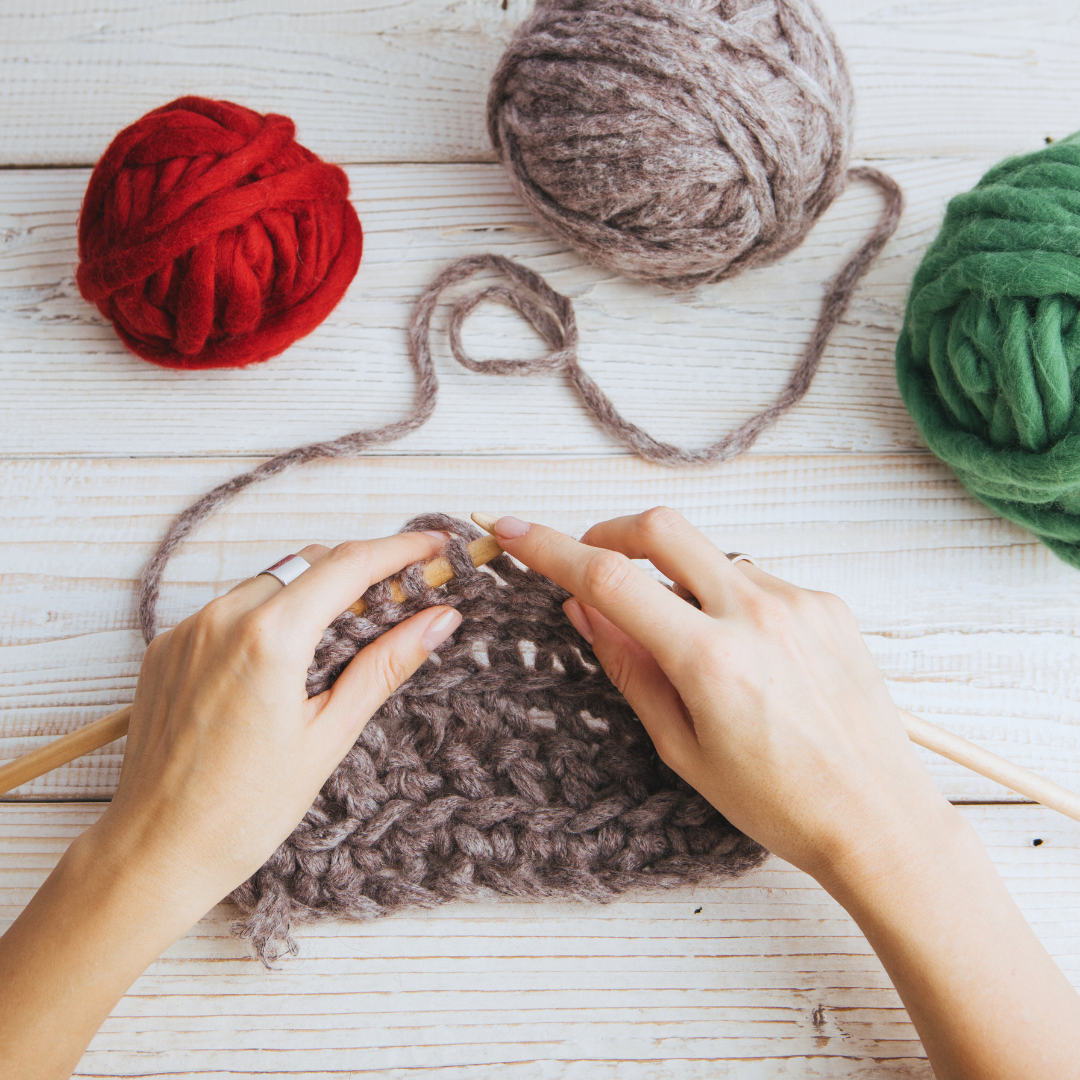
Knitting and crocheting use rhythmic hand movements to create patterns with yarn. This repetition can lower heart rate and ease mental tension. Both crafts require focus on stitches, encouraging mindfulness by drawing attention away from stressors.
They are adaptable to any skill level, making them accessible and rewarding. Projects can range from simple scarves to intricate blankets, offering a tangible product that reinforces accomplishment. The physical sensation of yarn combined with the steady pace fosters relaxation and improves concentration.
Watercolour Painting
Watercolour painting involves gentle brush strokes and blending, which require controlled movements and attentive observation. This art form allows for creative expression without rigid rules, encouraging exploration of colour and texture.
The translucency of watercolours promotes a calming effect as colours flow and merge naturally. The process can be meditative, helping the painter stay present. It also offers visual feedback, reinforcing a sense of progress and satisfaction with each stroke.
Journaling and Scrapbooking
Journaling and scrapbooking combine written expression with creative layout design. Writing thoughts and feelings can clarify emotions, providing mental release and insight.
Scrapbooking adds a tactile, visual component by arranging photographs, mementoes, and decorative elements. This hands-on assembly supports mindfulness, as one considers placement and design purposefully. Both crafts foster reflection and offer a personalised way to process daily experiences or memories.
Pottery and Clay Modelling
Pottery and clay modelling engage the hands in shaping soft, malleable material. This sensory interaction offers grounding through touch and motion, fostering a calming, physical focus.
Working with clay demands patience and presence as the form emerges slowly. The tactile nature soothes the nervous system, while seeing a shape take form encourages pride and creative accomplishment. These crafts connect the mind and body, enhancing relaxation through purposeful manual activity.
Step-by-Step Guide to Starting a Mind-Soothing Project
Starting a craft that calms the mind involves careful preparation and environment setup. Gathering the right materials, arranging a tranquil space, and establishing a consistent crafting routine are essential steps. Each of these supports focus and relaxation, helping to make the crafting experience both enjoyable and beneficial.
Gathering Essential Supplies
Begin by selecting supplies that suit the chosen craft and personal preference. Basic items like needles and thread for stitching, paints and brushes for watercolour, or yarn and needles for knitting are foundational.
It is important to have quality materials that feel comfortable to handle, as this can influence relaxation. For example, soft yarn or smooth paper can make repetitive motions more soothing.
Keep supplies organised in containers or trays to avoid distractions during crafting. Having everything accessible ensures the creative flow is uninterrupted.
Creating a Peaceful Crafting Space
A calm environment enhances the meditative quality of crafting. Choose a quiet area free from clutter and distractions.
Natural light helps improve mood and visibility, so sitting near a window is beneficial. Adjustable lighting can also be used in the evening to maintain a soft, relaxing ambience.
Comfortable seating and a tidy workspace prevent physical discomfort and mental clutter. Adding calming elements like plants, soft textiles, or gentle background music can further support focus and tranquillity.
Establishing a Routine
Regular crafting sessions promote mindfulness and stress relief over time. Setting a specific time each day or week builds a habit and signals the brain to slow down.
Start with manageable periods, such as 20 to 30 minutes, to avoid feeling rushed or overwhelmed. Gradually increase the time as comfort and interest grow.
Planning projects in advance helps maintain motivation. Keeping a journal or list of ideas can provide a sense of progress and purpose during each session.
Techniques for Enhancing Relaxation While Crafting
Creating a calming crafting experience often involves intentional practices that deepen focus and ease tension. Effective methods include becoming aware of the present moment, regulating breathing to reduce stress, and using sensory cues that promote relaxation.
Incorporating Mindfulness
Mindfulness in crafting means paying close attention to the materials, movements, and sensations involved in each step. This focused awareness shifts the mind away from distraction and stress.
To practise, one should observe textures, colours, and patterns deliberately. Noticing the rhythm of repetitive actions like stitching or folding paper centres the mind. It also builds patience and helps reduce anxiety by anchoring attention in the now.
Setting aside dedicated time without multitasking supports this mindful engagement. Over time, it cultivates a calmer mental state while enhancing the enjoyment of the craft.
Breathing Exercises During Crafting
Controlled breathing helps lower heart rate and ease muscle tension, which can enhance relaxation during creative work. Simple techniques can be easily integrated without interrupting the flow.
A common method is the 4-7-8 technique: breathe in for 4 seconds, hold for 7, then exhale slowly for 8 seconds. Doing this a few times at intervals during the project helps maintain calm.
Paired breathing with hand movements or pauses at natural breaks in crafting adds a mindful rhythm. This synchronisation of breath and action supports steady focus and reduces feelings of overwhelm.
Soothing Music and Aromatherapy
Ambient sound and scent influence mood and concentration during crafting. Soft instrumental music can mask distracting noises while encouraging a peaceful mindset.
Choosing music without lyrics prevents cognitive interference, allowing the mind to stay engaged with the project.
Aromatherapy uses calming scents like lavender, chamomile, or sandalwood. These can be introduced through candles, diffusers, or essential oils in the crafting space.
The sensory impact of scent helps lower stress hormones and promotes comfort. Together with music, these elements create an environment conducive to relaxation and sustained creativity.
Integrating Mind-Soothing Crafting Into Daily Life
Regularly setting aside time for creative activities can help manage everyday pressures and enhance well-being. Practical steps to reduce stress and foster connections through crafting make this practice sustainable and beneficial.
Crafting for Stress Reduction
Engaging in crafting provides a focused, calming outlet that helps divert attention from stressful thoughts. Activities like knitting or painting promote relaxation through repetitive, rhythmic motions which have a meditative effect.
Even short daily sessions of 10 to 15 minutes can lower stress by encouraging mindfulness and presence. The act of creating tangible results offers a sense of accomplishment, reinforcing positive mental states.
Maintaining a simple crafting routine supports emotional regulation and reduces tension. Using familiar materials or patterns helps individuals settle into a flow state, making stress relief more accessible and consistent.
Building a Supportive Crafting Community
Connecting with others who share a passion for crafting adds a social dimension that benefits mental health. Group projects, clubs, or online forums provide encouragement, ideas, and accountability.
A supportive crafting community can reduce feelings of isolation and create opportunities for learning new skills. Sharing progress and challenges fosters motivation and deepens the meaning behind the creative process.
Regular interaction with fellow crafters sustains interest and nurtures a sense of belonging. These connections often extend beyond crafting, contributing positively to overall emotional support networks.
Tracking Progress and Noticing Benefits
Monitoring changes and recording experiences helps recognise the calming effects of crafting. It supports awareness of emotional shifts and provides a clear view of growth in wellbeing over time.
Reflecting on Mood Changes
Regular reflection on mood before and after crafting sessions highlights shifts in stress or anxiety levels. Individuals can note feelings like relaxation, joy, or reduced tension.
Keeping track of specific emotional responses—such as calmness or frustration—provides insight into which projects have the most positive impact. This awareness guides the choice of activities that suit individual needs best.
Reflection can be as simple as pausing briefly after crafting to mentally evaluate mood. Setting a brief, consistent time daily or weekly for this practice increases the accuracy of recognising benefits.
Maintaining a Crafting Journal
A crafting journal records project details, materials used, time spent, and mood notes. This documentation helps observe patterns between activities and emotional well-being.
Journaling supports emotional expression, allowing thoughts and feelings to surface clearly. It also encourages mindfulness by focusing attention on the creative process and outcomes.
Entries might include what was made, how the activity felt, and any changes in mood. Visual elements like sketches or photos of finished pieces can enrich the record.
Using a consistent format, such as bullet points or tables, makes entries easier to review. For example:
| Date | Craft Type | Duration | Mood Before | Mood After | Notes |
| 10 Nov 25 | Knitting | 30 mins | Anxious | Calm | Enjoyed repetitive motion |
This approach supports recognising small but meaningful improvements over time.
Resources for Further Exploration
For those interested in deepening their understanding of crafting for mental wellness, there are several valuable resources available. Books, websites, and online courses can provide guidance on techniques and projects designed specifically to reduce stress.
Organised crafting spaces contribute to a calmer environment. Guides on how to set up such spaces help crafters maintain focus and relaxation during their activities. This can be especially useful for beginners looking to establish a consistent practice.
Online platforms often offer curated lists of mindful craft ideas, ranging from simple paper folding to painting and stitching. These resources allow individuals to select projects based on skill level and personal preference.
The following table summarises some key resource types to explore:
| Resource Type | Description | Examples |
| Books | Detailed insights into therapeutic crafts and techniques | “Crafting Calm”, “Mindful Crafts” |
| Websites | Articles and project ideas for stress relief | NeuroLaunch, Hobbycraft |
| Online Tutorials | Step-by-step video and written instructions | YouTube craft channels, blogs |
Workshops and community groups also offer practical experience and social interaction, which can enhance the therapeutic benefits of crafting. These are valuable for those who prefer learning with others.
Access to quality resources empowers crafters to find activities that best suit their mental health needs. They support the ongoing practice of crafting as a reliable tool for relaxation and self-expression.
Leave a Reply