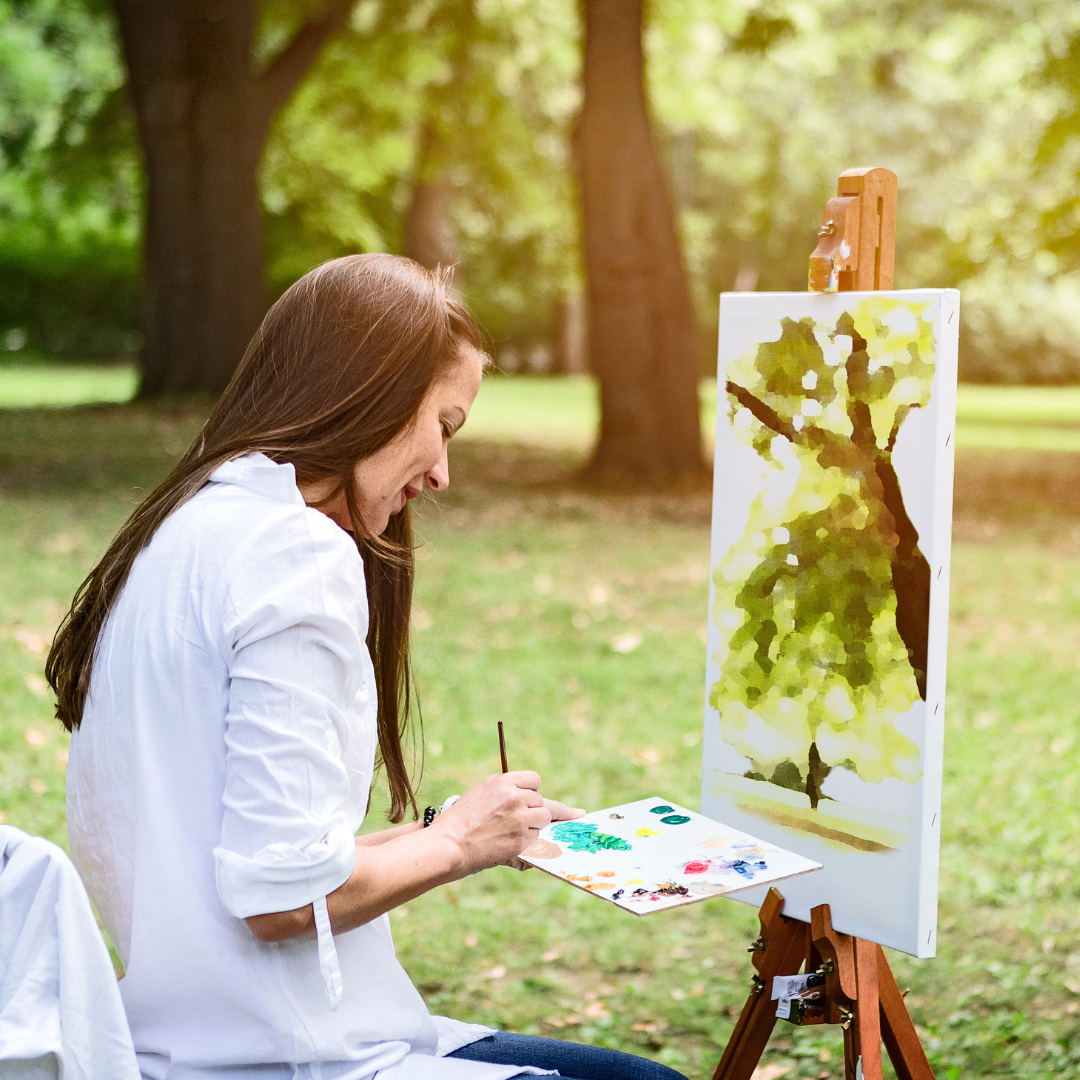
Art offers a practical way to reconnect with downtime by creating a focused, calming space separate from daily demands. It allows individuals to engage the senses and slow their pace, making relaxation an active, creative experience rather than a passive one. Using simple art activities, people can reduce stress, boost mental clarity, and restore their energy effectively during breaks from work or routine.
Engaging in mindful art practices helps shift attention away from external pressures, encouraging presence and a mental reset. Whether through drawing, colouring, or other creative outlets, the process provides a gentle, non-judgemental way to recharge the mind and emotions. This approach supports sustained well-being by linking rest with creativity rather than just inactivity.
Understanding the Power of Art in Downtime
Art offers a practical way to enhance moments of rest, helping individuals reduce stress, improve focus, and foster mental clarity. It engages the brain differently from routine tasks, promoting relaxation and emotional processing that supports overall well-being.
Defining Downtime and Its Importance
Downtime refers to intentional periods free from work and obligations, allowing the mind and body to recharge. It is essential for preventing burnout, reducing stress, and maintaining cognitive function.
Regular downtime supports emotional regulation and improves resilience to daily challenges. It benefits creativity by giving the brain space to rest and process information subconsciously. Without downtime, productivity and mental health can decline.
People may use downtime for activities that bring joy and calm, which can include reading, walking, or engaging in the arts. The quality of downtime affects how refreshed a person feels afterwards, making purposeful activities important.
How Art Impacts Mental Wellbeing
Engaging in art stimulates different brain regions responsible for emotion, motor skills, and problem-solving. This activation helps regulate mood and reduce anxiety by shifting focus away from stressors.
Art encourages self-expression without words, which can help people process difficult feelings. Creating art allows the release of built-up tension and fosters a sense of achievement and control.
Participating in structured or freeform artistic activities promotes mindfulness, enhancing present-moment awareness. This mental state quietens intrusive thoughts and improves emotional balance.
Scientific Evidence Linking Art and Relaxation
Research shows that art activities trigger the release of endorphins and dopamine, chemicals associated with pleasure and pain relief. This biochemical response supports stress reduction and emotional relief.
Brain imaging studies reveal that creative tasks increase activity in areas linked to attention and executive function while decreasing amygdala activity, which processes fear and anxiety.
Clinical trials in art therapy report improvements in symptoms of depression and anxiety. Even brief art sessions can lower cortisol levels, the body’s primary stress hormone.
These findings highlight art’s measurable impact on the nervous system, validating its role as a tool for relaxation during downtime.
Choosing Artistic Activities for Relaxation
Selecting the right art activities for relaxation involves understanding the different types of art, personal interests, and the balance between creative challenge and simplicity. This approach helps ensure that the activity remains enjoyable and stress-relieving rather than demanding or frustrating.
Types of Art Suitable for Leisure
Different forms of art suit various relaxation needs. Simple activities like colouring, doodling, or finger painting require minimal skill and material, making them accessible and calming for most people.
More involved crafts, such as glass painting, clay modelling, or upcycling household items, offer a tactile and immersive experience. These can deepen focus and encourage mindfulness by engaging multiple senses.
Choosing between two-dimensional art, such as sketching, and three-dimensional forms like sculpture depends on the desired level of physical engagement. Quiet, repetitive tasks tend to lower stress, while projects requiring more attention can foster a sense of accomplishment.
Assessing Personal Preferences
Identifying personal preferences greatly enhances the relaxation benefit of art. Some may prefer abstract expression free of rules, finding comfort in spontaneous colour and form. Others might enjoy structured projects with clear steps, which can reduce anxiety by providing guidance.
Consider past hobbies and interests for clues. Those who like writing might opt for calligraphy or comic creation, while nature lovers may prefer botanical drawing or landscape painting.
Comfort with materials and the environment also matters. Trying new art forms gradually can help discover what fits best without added pressure or frustration.
Balancing Creativity and Simplicity
Relaxation through art benefits from a balance between creative freedom and simplicity. Overly complex tasks can introduce stress, while overly simple tasks might not hold attention.
Activities that allow choice within a straightforward framework work well. For example, mindful doodling involves simple lines but personal interpretation, fostering focus and calm.
Setting time limits or using basic tools keeps processes manageable. This approach supports regular engagement, which is key to deriving ongoing mental health benefits.
Establishing an Artistic Routine
Building a consistent art routine requires deliberate choices about when and where to create. This involves carving out dedicated time in the day and designing a space that supports focus and creativity. Both elements work together to make artistic practice a reliable part of downtime.
Setting Aside Time for Art
Scheduling regular sessions helps transform art from a sporadic activity into a dependable routine. It is effective to start with a fixed, manageable duration — for example, 20 to 30 minutes daily — given that shorter, consistent periods are easier to maintain than long, irregular stretches.
Anchoring art time to an existing daily habit, like early mornings or after dinner, reinforces the habit. Treating this time as non-negotiable helps protect it from distractions and competing priorities.
Using reminders, alarms, or calendar blocks can support the commitment. Flexibility is necessary, but the goal is to create a reliable rhythm where artistic practice feels like a regular part of the day rather than an occasional task.
Creating a Personal Art Space
Having a personal, designated art space improves focus and comfort during creative sessions. This space should be organised, well-lit, and stocked with essential materials to reduce setup friction.
It is not necessary to have a large studio; even a small, tidy corner with a table or portable sketchbook can suffice. The key is that the space signals ‘art time’ to the brain, mentally preparing the person to create.
Maintaining this area regularly prevents clutter from becoming a barrier and encourages spontaneous creativity. Personal touches, like inspirational images or favourite tools, can increase motivation and enjoyment within the space.
Maximising the Benefits of Creative Downtime
Creative activities offer opportunities to ease tension and promote presence. Using art deliberately during rest helps sharpen emotional regulation and focus.
Reducing Stress Through Artistic Expression
Art provides a non-verbal outlet for emotions that can reduce stress effectively. Engaging in activities such as painting, sketching, or clay modelling allows the mind to divert attention from stressors. This shift encourages relaxation and lowers cortisol levels.
Regular sessions of artistic expression can break cycles of anxiety by creating a safe space to process feelings. The tactile and visual nature of art helps ground individuals in the present moment, interrupting negative thought patterns.
Stress reduction through creativity can also improve sleep quality and overall mood. Consistency matters; even short, frequent bursts of art-making yield benefits.
Cultivating Mindfulness with Art
Art fosters mindfulness by requiring attention to detail and subtlety. When creating or observing art, individuals must focus closely on colour, texture, and form. This deliberate attention quiets the mind and promotes a state of awareness without judgment.
Mindfulness through art encourages slowing down, which counters the constant busyness that impedes mental restoration. It makes space to observe thoughts and sensations with clarity.
Practices like mindful drawing or colouring can be integrated into daily routines for sustained mental balance. The resulting presence helps prevent burnout and fosters creative insights.
Incorporating Art into Everyday Life
Integrating art into daily routines does not require large time commitments or advanced skills. Small, consistent artistic activities can refresh the mind and enrich moments of relaxation. Sharing these creative experiences with others can deepen connections and inspire new ideas.
Simple Artistic Practices for Busy Schedules
Even with limited time, practical art activities like mindful doodling, sketching, or arranging colours can fit into short breaks. These practices help reduce stress and improve focus without needing elaborate tools.
Using everyday materials such as a pen and paper, or digital art apps on mobile devices, keeps creativity accessible. Activities like journaling with sketches or experimenting with simple patterns add artistic value without disrupting schedules.
Scheduling 5–10-minute sessions during the day for these exercises encourages routine and mindfulness. The key is regularity rather than duration, allowing art to become a natural and restorative part of downtime.
Sharing Creative Experiences with Others
Art becomes more meaningful when shared. Collaborative projects such as group painting, crafting, or even digital design sessions foster social interaction and creative exchange.
Sharing artwork and creative ideas within communities or with friends offers constructive feedback and motivation. It also creates opportunities for collective relaxation and mutual inspiration.
Organised gatherings or casual meet-ups focusing on art help build support networks. These shared experiences improve emotional well-being and make downtime more engaging and fulfilling.
Overcoming Barriers to Artistic Engagement
Engaging with art often requires addressing internal and external challenges. These include self-doubt and perfectionism that block creative flow, and the practical need to find resources and community support to sustain artistic practices. Both aspects are essential in making artistic downtime accessible and fulfilling.
Managing Self-Doubt and Perfectionism
Many individuals hesitate to engage with art because they fear failure or believe their work must be flawless. These feelings can create a mental barrier, stopping meaningful artistic expression. It helps to reframe art as a process rather than a product, focusing on enjoyment and personal growth instead of judgment.
Setting small, achievable goals can reduce pressure. For example, dedicating just 10 minutes a day to sketch or paint allows gradual confidence-building. Emphasising experimentation and embracing mistakes as part of learning shifts the focus away from perfection.
Practices such as mindfulness or journaling may support overcoming these barriers by encouraging self-compassion. Recognising that artistic downtime is for personal renewal rather than public critique can empower consistent engagement.
Finding Resources and Community Support
Access to materials, guidance, and like-minded individuals often determines whether someone sustains their artistic interest. Many face constraints such as cost, time, or lack of local opportunities. Identifying affordable or free resources online, like digital tutorials or community art groups, can expand access significantly.
Joining a community, either in person or virtually, provides accountability, feedback, and encouragement. Shared projects or workshops help people feel connected and valued, reducing isolation often linked with creative pursuits.
Organisations and platforms that offer inclusive and affordable access to art supplies, courses, or exhibition opportunities can break down practical barriers. Knowing where to look and how to engage with these resources is key to integrating art into regular downtime.
Exploring New Artistic Horizons
Exploring new artistic approaches can expand creative possibilities and help rejuvenate one’s connection with art during downtime. This process often involves trying unfamiliar materials and setting clear, manageable goals to inspire consistent progress.
Experimenting with Different Media
Trying out various art mediums can refresh artistic practice and provide new perspectives. For example, an artist accustomed to painting might explore digital tools, collage, or sculpture. Each medium offers unique challenges and opportunities, stimulating creativity in different ways.
Using new materials encourages flexibility and opens the door to unexpected effects. It can also prevent stagnation by breaking routine and offering fresh sensory experiences. Artists should consider local workshops or online tutorials to learn basic techniques before diving in.
Experimentation is not about perfection but about exploration. Allowing mistakes and surprises often leads to discovering new styles or themes, making the artistic process more engaging and enjoyable.
Setting Personal Creative Challenges
Personal challenges help structure creative time and motivate steady engagement. These might include daily sketching tasks, creating art with limited colour palettes, or completing a series within a deadline.
Clear challenges focus effort and encourage consistency, which is particularly useful during downtime when motivation may fluctuate. Setting achievable goals reduces pressure, allowing creativity to unfold naturally.
Tracking progress through journals or digital portfolios can provide a sense of accomplishment and insight into artistic development. Challenges also nurture discipline, helping artists reconnect with their creative habits in a purposeful way.
Leave a Reply