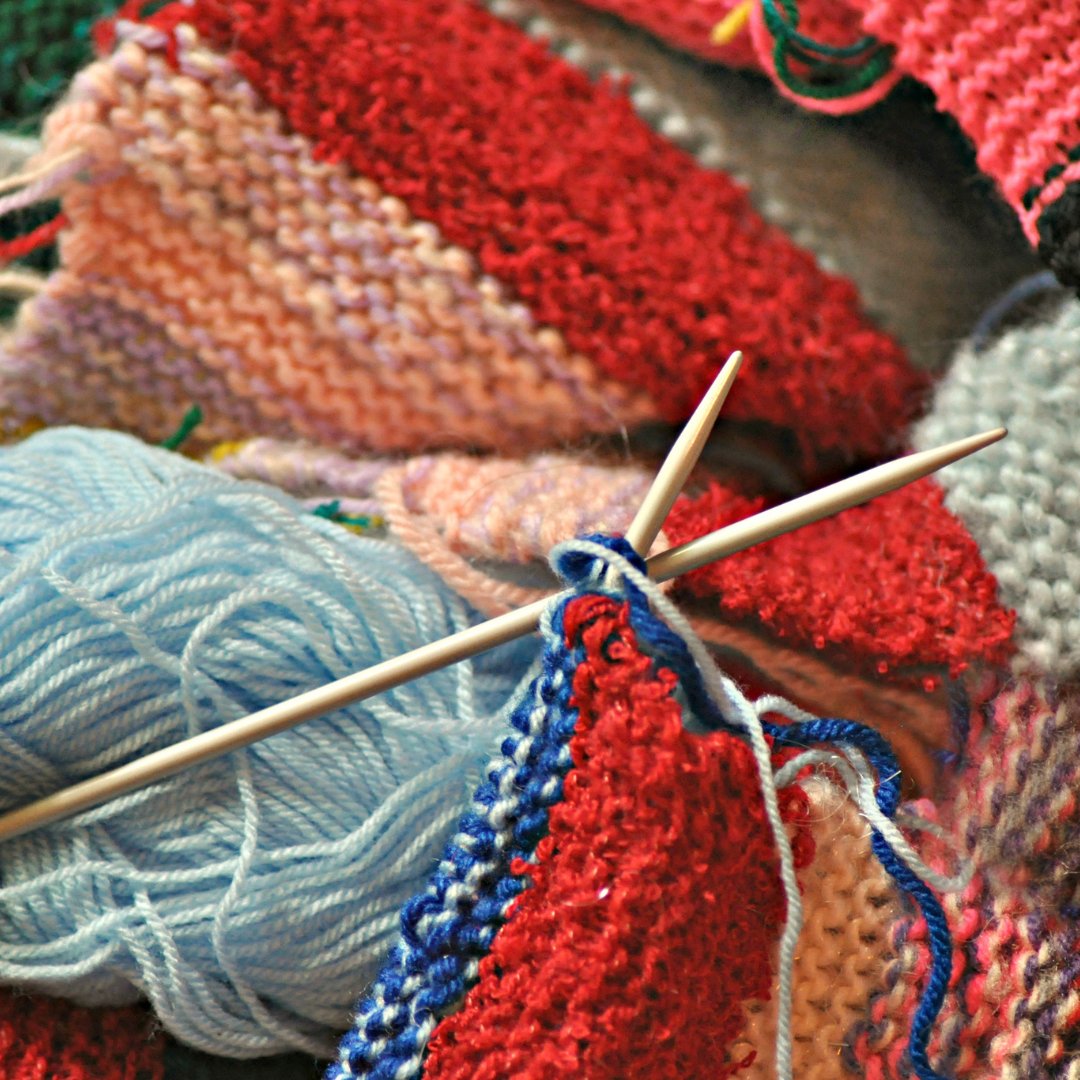
Knitting is a rewarding and relaxing hobby that anyone can start with just a few basic skills. Many people find joy in creating handmade items, from scarves to blankets, and the sense of accomplishment that comes with completing a project is unmatched. For beginners, the key to mastering knitting lies in understanding its basics and practising consistently.
As they embark on this journey, individuals will need to familiarise themselves with essential tools and techniques. Learning to knit involves selecting the right yarn, choosing suitable needles, and practising fundamental stitches like the knit and purl. With patience and practice, newcomers can quickly learn to create beautiful projects, enhancing their skills along the way.
This guide will provide practical tips and insights for those eager to dive into the world of knitting. By covering essential topics like yarn selection, needle types, and beginner-friendly patterns, it aims to equip aspiring knitters with the knowledge required to start their creative journey confidently.
Getting Started with Knitting
Knitting can be an enjoyable and rewarding hobby for anyone. Understanding the basics and selecting the right supplies are crucial initial steps for a new knitter.
Understanding the Basics
Knitting involves creating fabric by interlocking loops of yarn using needles. The two primary stitches are the knit stitch and the purl stitch. Mastering these stitches will enable the creation of various patterns and textures.
- Knit Stitch: Forms the foundation of most knitting projects and provides a smooth texture.
- Purl Stitch: This creates a bumpy texture and is often used in combination with knit stitches.
Understanding the concept of gauge is essential, as it determines how tightly or loosely fabric is made. Gauge influences the final size of the project. Knitters often create a swatch to check their gauge before beginning any project to ensure accuracy.
Choosing Your Knitting Supplies
Selecting the right knitting supplies can enhance the knitting experience. Key items include knitting needles, yarn, and additional tools.
- Needles: Available in different materials (metal, wood, plastic) and sizes. Common sizes for beginners are 4mm to 6mm.
- Yarn: Comes in a variety of weights, with worsted weight yarn being popular for beginners. The yarn label provides important information such as weight, gauge, and care instructions. For procuring such yarns, one can check out websites that provide affordable craft supplies to save up on some bucks.
- Other Supplies: Tapestry needles for weaving in ends and stitch markers to keep track of stitches or patterns can be very helpful.
A well-rounded selection of supplies ensures a smoother start in knitting.
Knitting Techniques and Stitches
A variety of knitting techniques and stitches form the foundation of this craft. Mastering these skills allows one to create intricate and beautiful patterns. Key techniques include the basic knit and purl stitches, as well as several common stitch patterns.
Basic Knitting Techniques
Knitting primarily involves two main techniques: the knit stitch and the purl stitch. Both form the basis for nearly all patterns and designs.
To create a basic knit stitch, the yarn is held at the back, and the right needle enters the front of the stitch on the left needle. The yarn is then wrapped around the right needle and pulled through to create the new stitch.
For the purl stitch, the yarn is positioned in front, and the right needle enters the stitch from back to front. This produces a distinct texture that contrasts with the knit stitch.
Practising these basic techniques will help knitters develop their skills and confidence.
Introduction to Knit and Purl Stitches
The knit stitch produces a smooth fabric, whereas the purl stitch creates a bumpy texture. Together, they form the two essential building blocks of knitting.
The basic knit stitch (k) is the most common and can be used alone or combined with purl stitches. It produces a fabric that is suitable for a wide variety of projects.
The purl stitch (p) is often used in conjunction with knit stitches to create texture. Understanding how to alternate between these two stitches is key to achieving different patterns.
For example, using knit stitches on one side and purl stitches on the other results in the stockinette stitch, which is smooth on one side and bumpy on the other.
Common Knitting Stitches
Several stitches build upon the fundamental knit and purl techniques, adding variety to designs. Common stitches include:
- Garter stitch: Created by knitting every row, resulting in a squishy texture.
- Seed stitch: Alternates knit and purl stitches within a row, creating a textured, bumpy fabric.
- Moss stitch: Similar to seed stitch, but the knit and purl stitches alternate between rows.
Knitters may also explore methods like Continental knitting and the English method, which differ in how the yarn is held and tension managed. Understanding these stitches enhances a knitter’s repertoire, allowing for more creativity in projects.
Reading and Understanding Patterns
Understanding knitting patterns is essential for beginners. This section provides guidance on interpreting the instructions that come with knitting projects.
How to Read a Knitting Pattern
Reading a knitting pattern involves decoding various symbols and terminology. Most patterns will start with a brief introduction that includes the project description, yarn requirements, and the suggested needle size.
Knitting patterns typically use abbreviations. Common terms include:
- K: Knit
- P: Purl
- YO: Yarn Over
- K2tog: Knit two together
Each pattern also has a gauge section detailing how many stitches and rows equal a specific measurement. It is crucial to match the gauge to ensure the finished item is the correct size.
Patterns may provide a chart alongside written instructions. Charts visually represent the stitch layout, aiding those who prefer a graphical format. Beginners can find free knitting patterns online, often accompanied by tutorials to assist further in the process.
Beginning Your Knitting Project
Starting a knitting project involves two crucial steps: casting on and troubleshooting common issues. Understanding these elements will help in creating a successful and enjoyable experience.
Casting On and Starting Off
To begin a knitting project, the first task is to cast on, which sets the foundation for the stitches. A common method is the long-tail cast-on, which provides a neat edge.
- Slip Knot: Start by creating a slip knot, leaving a tail of yarn.
- Weaving the Yarn: Hold the knitting needle with the slip knot and use the other needle to create loops over the first needle.
- Counting Stitches: Cast the desired number of stitches for the project.
Once the stitches are on the needle, the knitter can begin with the chosen pattern, ensuring they maintain regular tension to avoid tight or loose stitches.
Troubleshooting Common Issues
Knitting projects may encounter problems that require quick solutions. Being prepared for these issues is essential for smooth progress.
- Dropped Stitches: If a stitch is dropped, it can often be picked up using a crochet hook or knitting needle. Insert the tool into the loop and pull the yarn through.
- Tension Problems: If tension varies, practice maintaining an even grip on the yarn.
- Ending the Project: When finishing, casting off or binding off helps secure the stitches to prevent unravelling. It involves making new stitches over the existing ones, ensuring each is snug.
Addressing these common concerns will keep the knitting project on track.
Leave a Reply