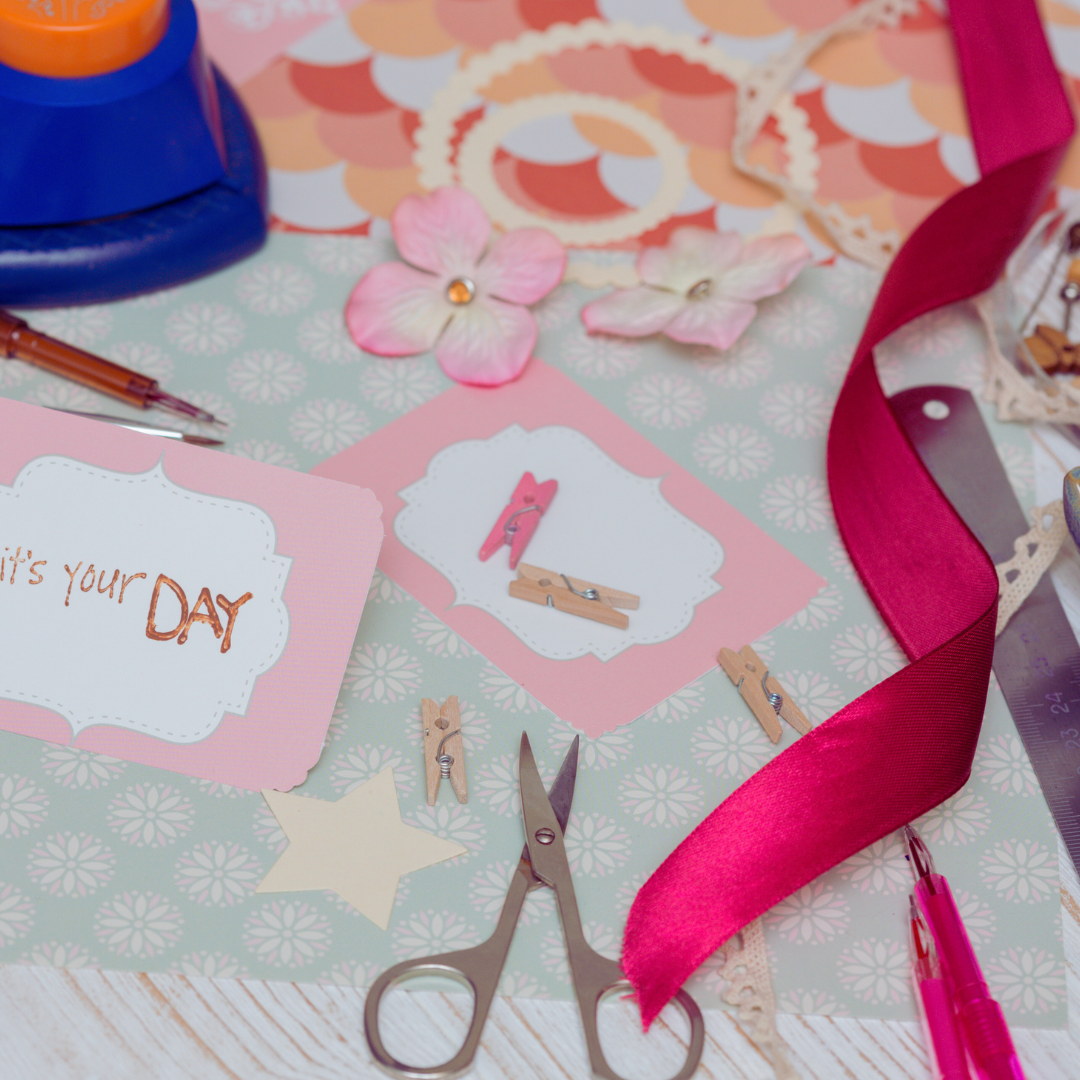
Creating a scrapbook offers a unique way to cherish and preserve memories. It allows individuals to combine creativity with personal storytelling, turning ordinary photos and mementoes into vibrant, meaningful displays. By engaging in scrapbooking, one not only captures special moments but also expresses their artistic side through various materials and techniques.
Scrapbooks serve as a visual diary, helping people reflect on life’s journeys. Each page can be a heartfelt tribute to milestones, adventures, or cherished relationships. This artistic process encourages imagination and can be a therapeutic outlet, making it an enjoyable activity for all ages.
As they embark on this crafting journey, individuals discover countless ways to elevate their scrapbooks beyond mere documentation. From decorative elements to personalised themes, the possibilities are virtually endless, ensuring each scrapbook becomes a unique representation of the creator’s memories and creativity.
Planning Your Scrapbook
Planning a scrapbook involves selecting a theme and gathering the appropriate materials. This foundational work sets the tone for the entire project and helps ensure cohesiveness throughout the scrapbook pages.
Choosing a Theme
The theme serves as the backbone of the scrapbook. It can be based on an event, a season, a travel experience, or a specific subject like family or hobbies.
When selecting a theme, consider the following:
- Purpose: What story does she want to tell?
- Audience: Who will view this scrapbook?
- Colour scheme: What colours resonate with the chosen theme?
A clear theme enhances the design and helps in choosing suitable scrapbook supplies. It also assists in determining the layout of the scrapbook albums and the style of the pages.
Gathering Materials
After finalising the theme, the next step involves gathering scrapbook supplies. Essential materials may include:
- Scrapbook album: Choose one that fits the design and is of sturdy construction.
- Paper: Select various types, including patterned, textured, and plain papers.
- Adhesives: Use glue, double-sided tape, or photo corners for attaching items.
- Embellishments: Add personality with stickers, ribbons, or stamps.
Organisation is crucial. She may want to create a checklist of supplies to ensure nothing is overlooked. Making sure to have everything ready in advance will streamline the process of creating beautiful scrapbook pages.
Designing Your Scrapbook Pages
Creating scrapbook pages involves careful consideration of layout, design elements, and personal touches. Each of these components contributes to the visual narrative and overall appeal of the scrapbook.
Developing a Layout
The layout serves as the backbone of a scrapbook page. It determines how photos, embellishments, and text will be arranged. A well-thought-out layout ensures balance and cohesiveness.
Designers often use grids or asymmetrical arrangements to create visual interest. Spaces can be allocated for larger photos alongside smaller ones or for added embellishments.
Common layout styles include:
- Grid Layout: Uniform sections for photos.
- Asymmetrical Layout: An informal approach that creates dynamic energy.
- Diagonal Layout: Encourages movement across the page.
Each option can be adjusted with varying shapes and sizes of photos to reflect the creator’s style.
Selecting Backgrounds and Embellishments
Choosing the right background paper sets the tone for a scrapbook page. Options include solid colours, patterned designs, and textured papers.
Consider these tips when selecting backgrounds:
- Complementarity: Ensure background colours harmonise with photos and embellishments.
- Texture: Incorporating textured papers adds depth.
- Pattern: Patterns can enhance themes, such as floral for a wedding or geometric for a modern look.
Embellishments play a critical role in enhancing the visual appeal. These can include stickers, die-cuts, and other two- or three-dimensional elements that provide personal touches. Balancing embellishments with space helps to prevent clutter.
Incorporating Text and Typography
Typography and text are crucial for conveying messages and enhancing the scrapbook’s narrative. Choosing the right fonts is essential for readability and emotional impact.
When selecting fonts, consider:
- Style: Use ornate fonts for titles and simpler fonts for descriptions.
- Size: Vary sizes to create hierarchy; larger text draws attention, while smaller text provides details.
Incorporating quotes, dates, and memories adds depth. Handwritten notes can also add a personal touch. The strategic placement of text ensures it complements photos and embellishments, creating a unified look across the page.
Creating Content for Your Scrapbook
Creating engaging content for a scrapbook involves personal storytelling and the inclusion of memorabilia. The combination of journaling and visual elements can significantly enhance the scrapbook’s appeal and sentimental value.
Crafting Personalised Stories Through Journaling
Journaling is an essential aspect of personalised scrapbooks. It allows the creator to capture thoughts, feelings, and memories associated with specific moments. Each scrapbook page can feature a unique page title that reflects the theme or event.
Tips for Journaling:
- Write down anecdotal stories related to photographs.
- Use different styles, such as bullet points or paragraphs, to convey emotions.
- Incorporate quotes or phrases that resonate with the experiences documented.
This technique not only embellishes the scrapbook but also preserves memories in a meaningful way. The use of various writing implements can add flair, making each page a visual and emotional journey.
Adding Memorabilia and Photos
Incorporating memorabilia enhances a scrapbook’s visual appeal. Items such as postcards, ticket stubs, or handwritten notes can serve as conversation starters and evoke nostalgia.
Ideas for Memorabilia:
- Collect items from trips, events, or milestones.
- Use pockets or envelopes to hold smaller items securely.
- Create a collage of photographs and memorabilia on a page for a dynamic look.
Photos play a crucial role in storytelling. High-quality images should be arranged thoughtfully, perhaps with captions to explain their significance. Balancing photos and memorabilia creates a unique scrapbook that effectively showcases different experiences and preserves cherished memories.
Finalising Your Scrapbook
Completing a scrapbook involves meticulous details that enhance its overall appearance. It is essential to incorporate both traditional and digital techniques for the best results. This stage allows for creative expression while ensuring the scrapbook is ready for sharing.
Incorporating Digital Tools and Templates
Utilising digital tools like Canva can streamline the finalisation process. Users can select from a variety of scrapbook templates, allowing for quick customisation. Features such as drag-and-drop functionality enable easy arrangement of elements.
Stock images provide the opportunity to enhance pages visually. By downloading relevant images, creators can fill gaps in their design. Additionally, digital stickers and frames can be added to elevate the aesthetic.
When designing pages, consider balancing the layout to avoid clutter. Incorporating whitespace can make the content stand out. Mixing digital images with physical elements like printed photos creates a unique blend.
Applying the Finishing Touches
Final touches give the scrapbook its unique flair. Stickers and decorative elements can personalise each page, allowing for the creator’s personality to shine through. Choosing frames for photos provides a polished look, making important memories stand out.
When affixing elements, ensure they adhere well to avoid peeling. Consider using acid-free adhesives to preserve the quality of materials. This is crucial for longevity, especially when using photographs.
Adding handwritten notes or captions can provide a personal touch. It allows for storytelling within the scrapbook. Furthermore, using a consistent colour scheme throughout will unify the pages.
Sharing Your Scrapbook with Others
Sharing the completed scrapbook can be a fulfilling experience. Options for sharing include social media platforms, where images can be posted for friends and family to enjoy. This allows others to appreciate the creativity involved in its making.
Digital scrapbooks can be printed as photobooks or shared as downloadable files. This flexibility ensures that the scrapbook is accessible in various formats. Online communities dedicated to scrapbooking can provide inspiration and encourage feedback.
When sharing, ensure that the visual quality is high. Clear images and well-composed shots showcase the effort put into the scrapbook. Engaging with others in the scrapbooking community can enhance one’s skills and inspire future projects.
Leave a Reply