Creative hobbies play a significant role in supporting emotional well-being by providing a constructive outlet for self-expression and stress relief. Engaging in activities such as painting, writing, or crafting allows individuals to process emotions and focus their minds, which can help reduce anxiety and improve mood. These hobbies combine creativity with relaxation, making them effective tools for emotional regulation and mental balance.
They also offer sensory engagement and cognitive stimulation, which contribute to resilience during challenging times. Whether through journaling to organise thoughts or knitting to calm nerves, creative hobbies give people a purposeful, enjoyable way to nurture their mental health. The variety of options means individuals can find a hobby that fits their lifestyle and personal preferences, enhancing the chances of consistent practice.
By incorporating creative pursuits into daily routines, people can build emotional strength and foster a more positive outlook. This article explores various creative hobbies that support emotional well-being and explains how each can benefit mental health in practical, accessible ways.
The Connection Between Creativity and Emotional Well-being
Creativity plays a significant role in supporting emotional well-being by offering ways to manage stress, express feelings, and stimulate the brain. It builds resilience and fosters meaningful connections, which contribute to a balanced emotional state.
How Creative Activities Benefit Mental Health
Engaging in creative hobbies can reduce stress hormones and induce relaxation. Activities such as painting, writing, or playing music provide a break from daily pressures and improve focus.
Creative pursuits promote resilience by encouraging problem-solving and adaptability. They also boost self-esteem through accomplishment and mastery.
In social settings, group creative projects enhance a sense of belonging, which is vital for emotional health. Overall, creative activities support mental health by combining cognitive stimulation with emotional release.
Emotional Expression Through Creativity
Creativity offers a non-verbal outlet for emotions that can be difficult to express through words alone. This form of expression helps individuals process complex feelings such as grief, anxiety, or joy.
Artistic activities allow exploration and communication of inner experiences, providing clarity and emotional relief. This can lead to increased self-awareness and acceptance.
By externalising emotions in a tangible form, people can better understand and manage their feelings, which supports emotional regulation and reduces psychological distress.
Neuroscience of Creativity and Emotions
Creative engagement activates brain regions involved in emotion regulation, such as the prefrontal cortex and limbic system. This stimulation helps to regulate mood and reduce symptoms associated with anxiety and depression.
Neurochemical responses to creative tasks include the release of dopamine and endorphins, which enhance pleasure and motivation. These changes support positive emotional states.
Additionally, creativity strengthens neural connections linked to cognitive flexibility, allowing individuals to adapt emotionally to challenges and maintain psychological well-being.
Art-Based Hobbies for Emotional Resilience
Engaging in art-based activities offers practical ways to manage stress, develop self-awareness, and increase emotional strength. Different forms of art provide unique methods to express feelings, focus attention, and build coping skills.
Painting and Drawing for Stress Relief
Painting and drawing allow individuals to externalise emotions that are hard to verbalise. The repetitive motions involved, such as brush strokes or pencil shading, create a calming effect on the nervous system.
These activities encourage mindfulness by directing attention to colours, shapes, and textures. This focused engagement helps reduce anxiety. Additionally, seeing tangible progress in artworks can boost self-esteem and confidence.
Routine practice can act as a healthy outlet during difficult times. Creating art without pressure promotes acceptance of imperfection, which supports emotional balance.
Benefits of Sculpture and Pottery
Working with clay and other sculpting materials provides a tactile, hands-on experience that can ground the individual in the present moment. The physicality of shaping and moulding materials helps release tension and channel energy in a constructive way.
Pottery, in particular, demands patience and attention to detail, fostering concentration and a meditative state. This can reduce feelings of overwhelm and create a sense of calm.
Completing a three-dimensional project offers a sense of accomplishment and control, encouraging perseverance. The sensory experience also enhances emotional regulation by connecting touch with creativity.
Photography as Mindfulness Practice
Photography trains focus on small details in the environment, encouraging observation rather than rumination. Framing a shot requires slowing down and tuning into surroundings, which cultivates mindfulness.
It also promotes gratitude by highlighting beauty in everyday life. Capturing moments deliberately can provide a sense of purpose and presence.
People often find photography helpful for shifting perspective, encouraging curiosity and reducing stress. Reviewing images afterwards allows reflection on positive experiences, reinforcing emotional well-being.
Writing and Literary Pursuits
Engaging with writing offers a structured way to explore feelings, articulate thoughts, and develop a deeper self-awareness. Different forms of literary expression provide varied benefits, from clarifying emotions to fostering personal insight and mental clarity.
Journaling for Emotional Processing
Journaling allows individuals to record thoughts and feelings freely, creating a private space for reflection. Writing regularly can help uncover patterns in mood and behaviour, making it easier to manage stress and anxiety.
The act of putting emotions into words helps make complex or overwhelming experiences more understandable. This practice can improve emotional regulation by encouraging mindful observation of inner states without immediate judgment.
Journaling can be structured or unstructured, depending on personal preference. Some find prompts useful, while others prefer open-ended entries, both methods supporting emotional clarity and resilience.
Poetry and Creative Writing as Self-Expression
Poetry and other creative writing forms enable people to express emotions indirectly through metaphor and imagery. This can bypass mental blocks that prevent straightforward emotional communication.
Creative writing offers a way to experiment with language and form, enriching the writer’s emotional vocabulary and helping articulate feelings that may otherwise remain vague or repressed.
Engaging in poetry or fiction can also foster self-compassion and empathy by encouraging exploration of diverse perspectives and emotional experiences within a safe, imaginative framework.
Storytelling for Personal Growth
Telling personal stories helps organise life experiences into meaningful narratives, providing coherence and insight. Storytelling can clarify how past events influence present feelings and behaviours.
Sharing stories with others can build social connections and validation, which strengthens emotional well-being. It also encourages reflection on growth and change over time.
Through storytelling, individuals can reframe negative experiences, recognise strengths, and develop a stronger sense of identity and control over their emotional journey.
Music and Sound as Mood Enhancers
Engaging with music and sound can directly influence emotional states by stimulating the brain’s reward centres and reducing stress hormones. Active participation in music, through playing instruments, singing, or songwriting, provides tangible methods to regulate mood and express emotions effectively.
Playing Instruments to Lift Moods
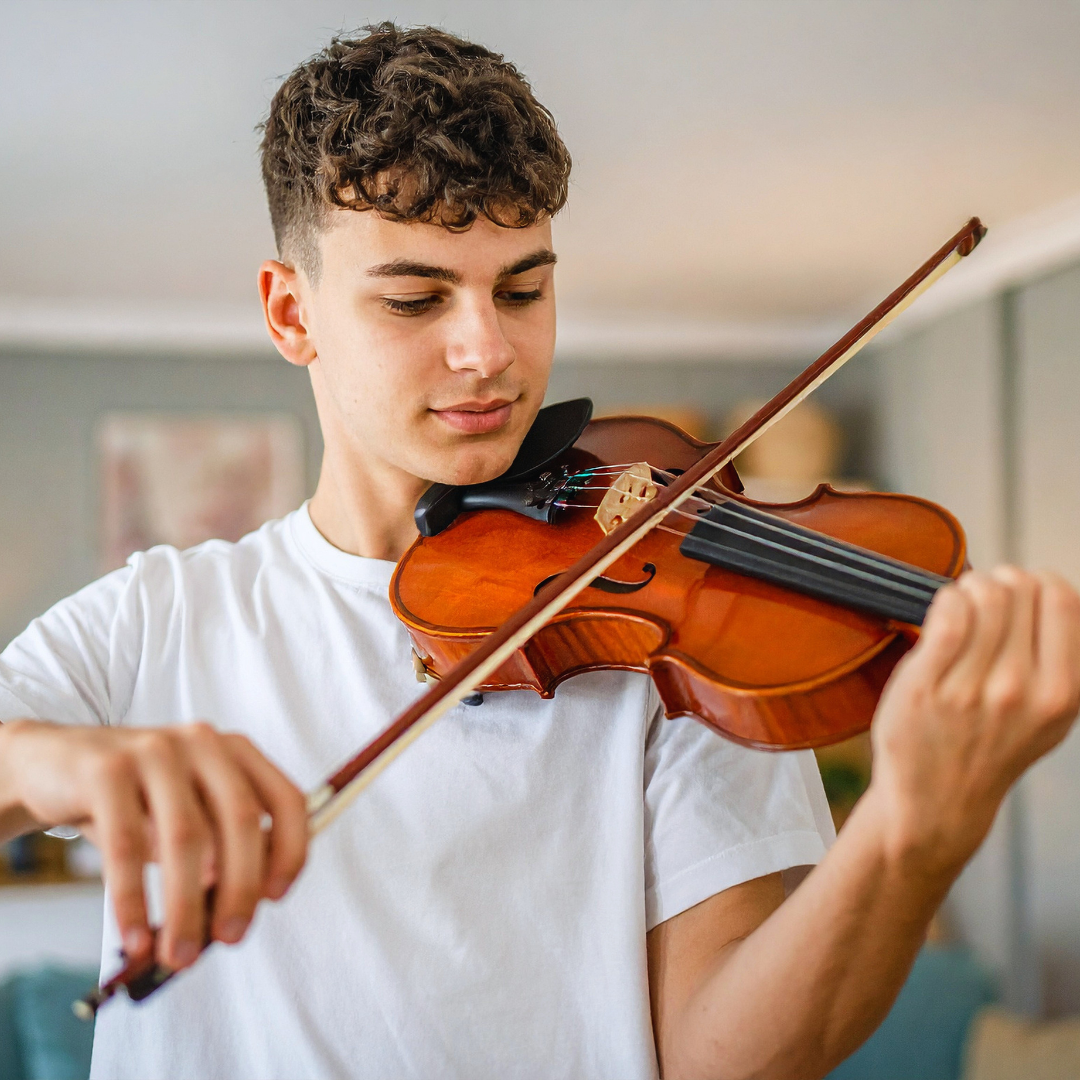
Playing a musical instrument requires coordination, focus, and creativity, which can refocus attention away from negative thoughts. This active engagement promotes the release of dopamine, a neurotransmitter linked to pleasure and motivation.
Regular practice also builds a sense of achievement, reinforcing emotional resilience. Learning or mastering pieces encourages patience and persistence, which can improve self-esteem. Instruments produce immediate auditory feedback, helping individuals track progress and experience joy through creating sound.
Additionally, the rhythmic aspects of playing can synchronise brain activity and reduce anxiety. Group instrument playing fosters social connection, further benefiting emotional well-being by combating isolation.
Singing and Vocal Expression
Singing involves breath control and vocal expression, which impact both physical and emotional states. It stimulates the parasympathetic nervous system, helping reduce stress and promote relaxation.
Vocal expression allows direct emotional release. Singing can express emotions like sadness or joy in a healthy, controlled manner. This process supports emotional regulation and can ease symptoms of depression and anxiety when practised consistently.
Group singing, such as choirs, strengthens social bonds and community belonging. The collective activity supports a shared emotional experience, enhancing mood and reducing feelings of loneliness.
The Therapeutic Role of Songwriting
Songwriting combines creativity with introspection, offering a structured outlet to process complex emotions. Writing lyrics encourages reflection on personal experiences, which can clarify feelings and promote emotional healing.
The act of composing melodies alongside lyrics engages multiple cognitive functions, stimulating problem-solving and mood regulation. Songwriting allows control over emotional narratives, empowering the individual in their mental health journey.
This creative process can be particularly useful in therapy, providing a safe space to communicate thoughts that might be difficult to express otherwise. Regular songwriting practice supports sustained emotional well-being by improving self-awareness and resilience.
Movement and Performing Arts
Movement and performing arts provide structured ways for individuals to express emotions, manage stress, and develop personal confidence. Engaging physically and emotionally through these activities can lead to improved mental clarity, emotional release, and stronger social connections.
Dance for Emotional Release
Dance connects physical movement with emotional expression, allowing individuals to release built-up tension and stress. It engages the body in a dynamic way, helping to reduce muscle tension and improve body awareness. This physical release often lowers anxiety levels and supports mood regulation.
Creatively moving to music helps express feelings that may be difficult to verbalise. Dance can also improve focus and encourage mindfulness by drawing attention to bodily sensations and rhythm. Its combination of physical exertion and emotional expression makes dance a valuable tool for managing difficult emotions.
Drama and Role-Play Techniques
Drama and role-play offer a safe environment to explore different perspectives and emotions. By acting out scenarios, participants can work through personal challenges and build empathy. This practice fosters self-awareness and emotional resilience.
Role-play encourages problem-solving and communication skills. It can also reduce feelings of isolation by promoting connection with others in a shared creative experience. Drama techniques help individuals confront fears and rehearse positive behaviours in a controlled setting, making emotional processing more accessible.
Improvisation for Building Confidence
Improvisation requires spontaneous creative thinking, which can strengthen self-confidence and reduce fear of judgment. Engaging in unscripted performance encourages risk-taking in a supportive atmosphere.
This form of creative expression develops adaptability and social awareness by prompting quick responses to unexpected situations. Improvisation challenges individuals to trust their instincts, facilitating greater emotional freedom. It is particularly effective for those looking to enhance their assertiveness and presence in social contexts.
Crafting and Hands-On Activities
Engaging in hands-on activities provides a tangible way to focus the mind and promote a sense of achievement. These crafts involve repetitive motions and a creative process that can reduce stress and improve concentration.
Knitting, Crocheting, and Weaving
These fibre crafts are popular for their rhythmic, meditative qualities. The repetitive movements involved help calm the mind by encouraging a focus on the present moment.
Knitting, crocheting, and weaving also improve fine motor skills and hand-eye coordination. They offer opportunities for creating useful or decorative items, which can enhance self-esteem and provide a sense of purpose.
Social groups for these crafts foster connection and reduce feelings of isolation. Additionally, working with colourful materials can stimulate creativity and lift mood.
Woodworking and DIY Projects
Woodworking and DIY projects involve designing and building with one’s hands, which can channel energy productively and boost mental clarity. The process requires planning, problem-solving, and attention to detail.
Completing a project provides visible, physical results that reinforce accomplishment and increase confidence. The tactile engagement with materials such as wood or tools also contributes to stress relief.
These activities can be adapted to various skill levels and budgets, making them accessible to many. They support both creativity and practical skills development.
Nature-Inspired Creative Practices
Engaging with nature through creative activities can enhance emotional balance and provide a sense of calm. These practices combine artistic expression with the natural environment, fostering mindfulness and focus.
Gardening for Mindful Relaxation
Gardening is a hands-on activity that encourages mindfulness through tending to plants. It involves planting, watering, and nurturing, which require attention to detail and patience. This focus can reduce stress and promote a peaceful state of mind.
The physical act of gardening also helps release tension by involving gentle movement and sensory engagement with soil, scents, and greenery. Caring for plants connects individuals to natural rhythms, supporting emotional regulation and resilience.
Regular gardening sessions create a routine that can improve mood and offer a tangible sense of accomplishment. It is accessible to most people and can be adapted to various spaces, including small balconies or indoor pots.
Nature Photography and Sketching
Nature photography captures the beauty and detail of the environment, encouraging observers to notice subtle textures, colours, and patterns. This practice sharpens focus and heightens awareness, serving as a mindful exercise.
Sketching natural scenes requires careful observation and translation of visual details into creative expression. The repetitive motion involved in drawing supports concentration and can induce a meditative state.
Both photography and sketching facilitate emotional expression without words, allowing individuals to process feelings through their art. They can be done alone, promoting introspection, or shared to foster connection with others who appreciate nature’s creativity.
Group and Community-Based Creative Hobbies
Participating in group-based creative activities offers more than just artistic expression. These hobbies foster connection, shared learning, and mutual support, all of which contribute to emotional well-being.
Collaborative Art Projects
Collaborative art projects involve multiple people working together on a shared creative goal. These projects build teamwork and provide a sense of achievement that comes from collective effort.
Participants often report increased feelings of belonging and support because they work closely with others. This social interaction can alleviate feelings of isolation and promote positive emotional states.
Examples include mural painting, community craft fairs, and group exhibitions. Such activities encourage communication and skill sharing, enhancing both creative abilities and social bonds.
Creative Workshops and Clubs
Creative workshops and clubs provide a structured environment where individuals can learn new skills and meet like-minded people. They often focus on specific creative interests such as pottery, writing, or photography.
Membership in these groups offers routine and purpose, which helps regulate emotions and reduce stress. Being part of a club also creates a support network that members can rely on outside the sessions.
Regular attendance encourages progress through guided practice and feedback, helping participants gain confidence in their creativity and personal expression.
Integrating Creative Hobbies Into Daily Life
Incorporating creative hobbies requires intention and practical strategies. It involves setting a consistent schedule and addressing common obstacles that prevent sustained engagement. Both planning and mindset adjustments are essential for making creativity a regular habit.
Establishing a Creative Routine
Creating a routine helps transform creativity from a sporadic activity into a stable part of daily life. Scheduling specific times for hobbies, even if brief, promotes consistency. For example, dedicating 20 minutes each evening to drawing or journaling can build momentum.
Using reminders or setting goals can reinforce the habit. Keeping materials accessible and organised reduces friction when starting. Small, achievable targets keep motivation high without overwhelming the individual.
Routine also involves balancing creative time with other responsibilities. Prioritising creativity as a form of self-care encourages regular practice and emotional benefits.
Overcoming Barriers to Creativity
Common obstacles include lack of time, self-doubt, and distractions. Addressing these starts with realistic time management, such as breaking sessions into shorter intervals. This approach fits creativity into busy schedules without pressure.
Self-criticism can hinder progress, so adopting a mindset focused on exploration rather than perfection supports persistence. Removing distractions by creating a dedicated space encourages focus and improves productivity.
Commitment to creative hobbies may require saying no to less meaningful activities. This intentional choice helps maintain regular engagement and emotional well-being through creativity.
Measuring the Impact of Creative Pursuits on Emotional Well-being
Assessing how creative activities affect emotional well-being involves both internal reflection and external support. It requires consideration of changes in mood, emotional resilience, and personal growth, alongside the possibility of professional advice to better understand these changes and their implications.
Personal Reflection and Growth
Individuals can measure the impact of creative hobbies by observing shifts in their moods, stress levels, and emotional stability over time. Keeping a journal or mood diary allows for tracking how engagement in activities like painting, writing, or crafting influences feelings such as happiness, relaxation, or anxiety reduction.
Reflection on skill development and creative accomplishments also highlights growth, reinforcing a sense of competence and autonomy. These factors contribute to emotional well-being by boosting confidence and self-esteem.
Tools like self-reported well-being scales can complement personal insight by quantifying emotional changes. This combination of subjective and objective observations helps identify whether creative pursuits consistently improve mood or provide coping mechanisms during difficult times.
Seeking Professional Guidance When Needed
Sometimes, individuals may find it hard to gauge the full emotional impact of creative activities alone. In these cases, consulting mental health professionals can provide clearer insights.
Professionals, such as therapists or counsellors, can assess emotional well-being using validated psychological tools and discuss how creative engagement fits within broader mental health strategies.
They may recommend specific creative practices tailored to individual needs or combine creative hobbies with other therapeutic approaches. This guided support ensures creative pursuits contribute positively without replacing necessary medical or psychological treatment.
Collaboration with experts helps in recognising when creative hobbies enhance wellbeing and when additional intervention is required.
Leave a Reply