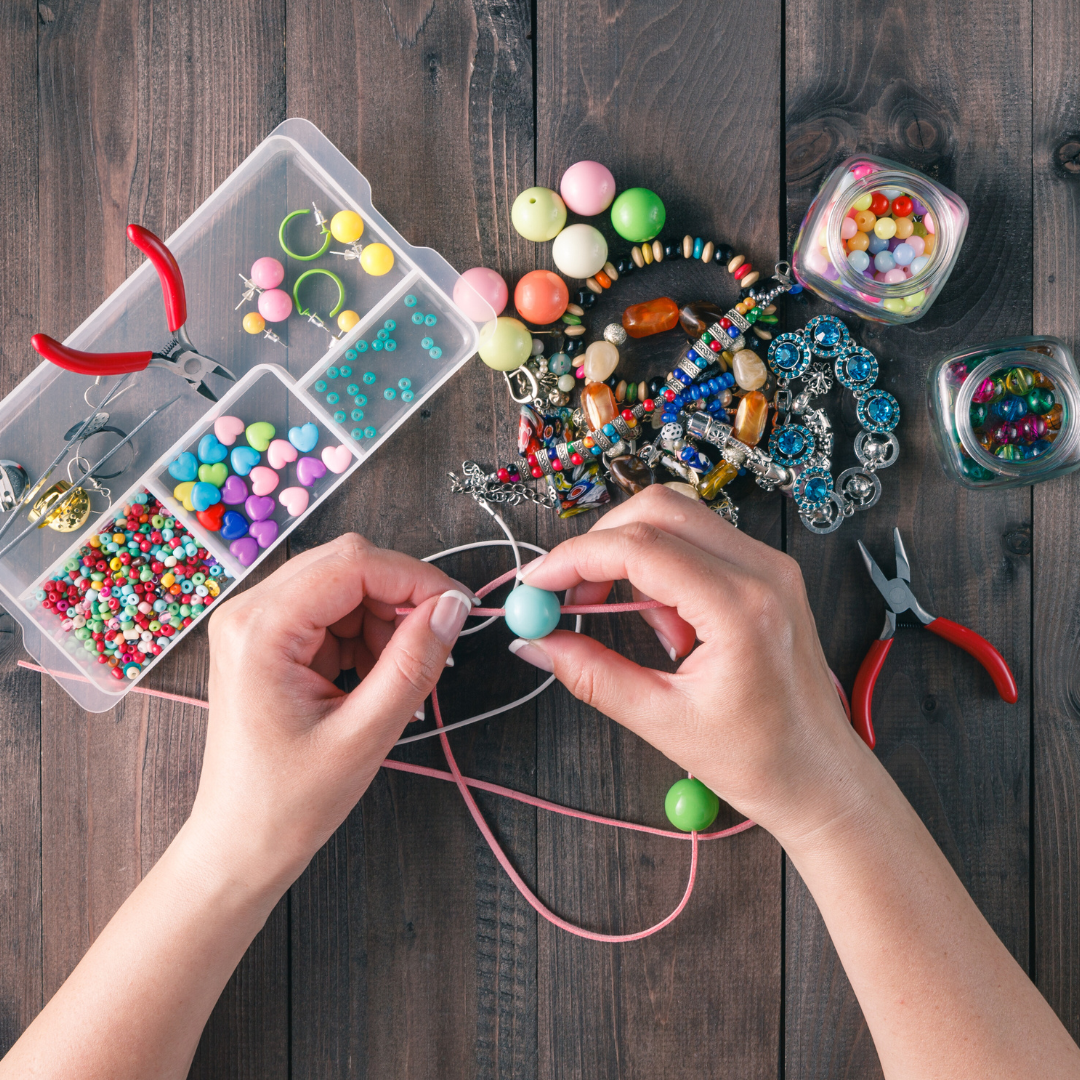
Making handmade gifts that feel personal involves putting thought, care, and creativity into each creation. It is about reflecting the recipient’s tastes and interests while adding a unique touch that cannot be bought in a store. The key to a truly personal handmade gift lies in tailoring it specifically to the individual, combining meaningful elements with craftsmanship.
Creating such gifts requires more than technical skill; it demands attention to the details that make the present meaningful. Whether it’s customised designs, chosen colours, or incorporating shared memories, these elements enhance the sentimental value and make the gift memorable. Handmade gifts offer a chance to express genuine appreciation through time and effort invested.
This article will explore practical methods and ideas to inspire thoughtful, personalised gifts. It will guide readers on how to approach each step with purpose, ensuring the final result conveys a personal connection and care.
Understanding Personalisation in Handmade Gifts
Personalisation in handmade gifts involves thoughtful choices that reflect the recipient’s interests, memories, and character. It creates a deeper connection by adding emotional meaning and unique details that store-bought items cannot replicate.
Defining What Makes a Gift Personal
A gift becomes personal when it shows insight into the recipient’s preferences, experiences, or personality. This can be achieved through customised design, choice of materials, or including references to shared moments.
Examples of personal elements include:
- Monograms or engraved names
- Favourite colours or styles
- Symbols related to hobbies or milestones
The key is to avoid generic presents and instead focus on details that reveal knowledge and care.
The Emotional Value of Handmade Items
Handmade gifts gain emotional value because of the time and effort invested in their creation. The physical act of crafting reflects intention and devotion, which enhances sentimental significance.
Recipients often appreciate the imperfections in handmade items as signs of authenticity. These gifts act as tangible reminders of the giver’s feelings and the relationship’s importance.
This emotional resonance is difficult to achieve with mass-produced products.
Why Personal Touches Matter
Adding personal touches elevates a gift from ordinary to meaningful. Such touches transform an object into a keepsake that holds special memories and feelings.
Personalisation can also improve the functionality or appeal of a gift, making it more useful or attractive for the recipient. This practical aspect, combined with emotional significance, ensures the gift is well-received and remembered.
Ultimately, personal touches express respect and understanding, strengthening bonds between giver and receiver.
Planning Your Handmade Gift
The success of a handmade gift often depends on thoughtful preparation. Understanding the recipient’s tastes, generating original ideas, and choosing the right materials are crucial steps to creating a meaningful and personalised present.
Identifying the Recipient’s Preferences
To make a gift truly personal, it is essential to consider the recipient’s interests, hobbies, and daily routine. Observing what they enjoy or asking subtle questions can reveal insights about their favourite colours, styles, or practical needs. For example, a person who loves gardening might appreciate handcrafted plant markers or personalised garden gloves.
It is important to note any allergies, sensitivities, or specific dislikes that could affect material choice or design. Taking time to reflect on past gifts they treasured or items they frequently use helps to avoid generic presents and tailor the gift specifically to them.
Brainstorming Creative Gift Ideas
Once the recipient’s preferences are clear, brainstorming creative options becomes more focused. Making lists of ideas that connect to their personality or passions helps narrow down choices. Categories to consider include practical items, decorative objects, or experience-based gifts such as handmade vouchers.
Sketching designs or compiling mood boards can encourage originality and inspire new approaches. Combining functionality with aesthetics usually results in thoughtful gifts. For example, a knitted scarf featuring the recipient’s favourite colours or a crafted photo frame holding a shared memory.
Selecting Suitable Materials
Material selection must complement both the concept and the recipient’s preferences. Factors to consider include durability, ease of use, sustainability, and cost. Natural fibres like cotton or wool offer comfort and longevity, while recycled or eco-friendly materials appeal to environmentally conscious individuals.
Additionally, tools and supplies should match the skill level of the maker to ensure a quality finish. For example, if the gift involves sewing, selecting fabrics that are easy to work with will reduce frustration and improve results. Clear planning of materials helps avoid last-minute compromises.
Techniques to Personalise Handmade Gifts
Personalised handmade gifts often stand out through thoughtful details that connect directly to the recipient. Tailoring elements like names, images, and colours can create a sense of intimacy and significance. Each element can be carefully selected or crafted to reflect the recipient’s identity or shared memories.
Incorporating Names and Initials
Adding names or initials is a straightforward yet effective way to personalise gifts. This can be done through embroidery on textiles, engraving on wood or metal, or painting on ceramics. For example, stitching initials on a scarf or engraving a name on a wooden keepsake adds a unique and identifiable touch.
This method not only personalises the item but also elevates its perceived value. It shows the maker’s attention to detail and makes the gift exclusive.
Customising with Photos or Messages
Including photos or handwritten messages adds emotional weight to handmade gifts. Photos can be printed on fabric, transferred to wood, or framed in handmade holders.
Messages can be inscribed, embroidered, or incorporated as part of a card or note attached to the gift. Using the recipient’s own words or personal jokes makes the gift meaningful and memorable.
This approach invites a deeper connection by celebrating memories shared with the recipient.
Using Meaningful Colours and Symbols
Colours and symbols carry strong personal and cultural associations. Selecting a recipient’s favourite colours or colour combinations can make an object feel more targeted and thoughtful.
Symbols such as birth month flowers, zodiac signs, or motifs related to hobbies can be incorporated through painting, carving, or fabric patterns. For instance, using blues and greens for someone who loves the sea or adding a small emblem representing their hobby adds relevance.
Choosing these carefully ensures the gift resonates beyond appearance.
Popular Types of Handmade Personalised Gifts
Handmade personalised gifts often stand out due to their unique, thoughtful qualities. They range from creative crafts to carefully designed jewellery and custom homeware pieces. Each type offers different ways to include personal touches that reflect the recipient’s tastes or memories.
Homemade Crafts and Decor
Homemade crafts and decor are accessible options that allow for endless creativity. These items often include hand-painted ceramics, customised photo frames, or decorative candles. Adding the recipient’s favourite colours, patterns, or motifs creates a meaningful connection.
These pieces can also incorporate natural elements, such as pressed flowers or dried foliage, enhancing the personalised feel. Crafting items like personalised wall art or small fabric goods lets makers tailor the gift perfectly to the home’s style. The process often involves simple materials but delivers emotional value through personal effort.
Bespoke Jewellery
Bespoke jewellery is a popular choice because it can be both stylish and deeply personal. Handmade pieces often feature customised engraving, unique gemstone choices, or wire wrapping techniques. This allows a piece to reflect individual tastes or significant dates.
Jewellery like pendants, bracelets, or rings can be designed to suit the recipient’s lifestyle and preferences. Using specific metals, shapes, and symbols makes each item unique. The personalisation is not only in appearance but also in the craftsmanship behind the piece, which adds sentimental value.
Handcrafted Homeware
Handcrafted homeware gifts combine functionality with bespoke design. These often include hand-thrown pottery, personalised wooden utensils, or embroidered textiles. Functional items gain significance when customised with initials, patterns, or meaningful symbols.
Such gifts are practical yet special, ideal for those who appreciate artisan quality. The handcrafted nature ensures no two pieces are exactly alike, emphasising individuality. These gifts suit various occasions, from housewarmings to anniversaries, providing both charm and usability.
Adding Sentimental Value to Your Gift
Sentimental value transforms a handmade gift from a simple object into something deeply meaningful. It reflects thought, effort, and the unique relationship between giver and recipient. Personalising gifts through emotional connections increases their significance and ensures lasting appreciation.
Including Personal Letters or Notes
A handwritten letter or note adds a sincere and intimate touch. It can express feelings, share appreciation, or explain the meaning behind the gift. This personal message often becomes as treasured as the gift itself.
Letters should be clear and heartfelt, avoiding vague statements. Specific anecdotes or acknowledgements deepen the connection. Choosing quality paper or decorative stationery enhances presentation without detracting from authenticity.
Incorporating small details like favourite quotes or shared humour makes the note unique. The letter can be attached, folded inside packaging, or included as a separate keepsake.
Sharing Stories or Memories
Including stories or shared memories related to the gift or recipient strengthens emotional impact. This might be a memory that inspired the gift or an experience connecting both people.
The story helps the recipient understand the gift’s significance beyond its physical form. It can be brief but meaningful, highlighting moments such as milestones, challenges overcome, or joyful times together.
Presenting stories visually, for example, through a short written note or a tag, keeps them accessible. This makes the gift a tangible reminder of personal history and mutual experiences.
Gifting Heirloom or Upcycled Items
Incorporating heirloom or upcycled materials adds depth and history to a handmade gift. Heirlooms carry family stories, while upcycled pieces give old items a new, purposeful life.
These materials connect the past and present, showing respect for memories and sustainability. Combining heirloom elements with new handmade ones signals care and creativity.
When gifting such items, explaining their background is valuable. It locates the present gift in a broader personal context, making the recipient aware of its layered significance. This practice reinforces the gift’s uniqueness through its story and provenance.
Packaging and Presentation Ideas
Effective packaging enhances the personal feel of a handmade gift. Focusing on bespoke wrapping methods, custom tags, and sustainable materials ensures the presentation matches the care put into the gift itself.
Custom Wrapping Techniques
Using unique folding styles, such as zig-zag folds or origami accents,s adds interest to the wrapping. Layering textures, such as combining kraft paper with lace or fabric, creates depth.
Personalised paper can be made with handmade stamps carved from potatoes or erasers. This method allows for custom motifs that reflect the recipient’s personality or the occasion.
Reusable fabrics, such as silk scarves or cotton pouches, offer an elegant alternative to paper. This also provides a tactile experience and a zero-waste option. Finishing touches like ribbon, twine, or personalised stickers help complete the look.
Designing Handmade Gift Tags
Handcrafted tags provide a meaningful final touch. Using thick cardstock, one can cut out shapes like hearts, stars, or relevant motifs to suit the gift or occasion.
Writing a brief, sincere message on the back increases emotional value. Incorporating small embellishments such as pressed flowers, dried herbs, or a splash of watercolour paint further individualises the tag.
Tags can be attached to natural fibres like jute string or thin ribbon. This choice complements rustic or eco-friendly themes and reinforces the handmade nature of the gift.
Eco-Friendly Presentation Options
Choosing recycled or biodegradable wrapping materials reduces environmental impact. Kraft paper, reused newspapers, or brown paper bags make practical and sustainable choices.
Instead of conventional tape, natural alternatives such as washi tape or twine can be used to secure packaging. Furoshiki, the Japanese fabric-wrapping technique, allows fabric to be tied creatively around the gift and reused by the recipient.
Small additions like seed paper tags or plantable confetti add an extra eco-conscious element. These options combine thoughtfulness for both the recipient and the planet.
Common Mistakes to Avoid When Making Personalised Gifts
Creating a truly personal, handmade gift requires attention to detail and thoughtful consideration. Missteps in design complexity and misunderstanding the recipient’s genuine tastes often reduce the impact of the gift.
Overcomplicating the Design
A frequent error is adding too many elements or intricate details to a gift. This can result in a cluttered or confusing final product that loses its intended meaning.
Simplicity often enhances the personal nature of a gift. Choosing one or two meaningful features or motifs ensures the message is clear and the craftsmanship remains evident.
Overly complex designs may also increase the risk of mistakes or imperfections, which can distract from the gift’s overall value. Prioritising quality over quantity of details helps maintain a polished and heartfelt result.
Ignoring the Recipient’s True Preferences
Failing to consider the recipient’s specific interests, lifestyle, or tastes is a common mistake. A gift that reflects the giver’s preferences rather than the recipient’s can appear thoughtless.
Researching or subtly asking about the person’s hobbies, favourite colours, or daily needs improves the chances of creating something genuinely appreciated.
It is also essential to respect boundaries and the relationship context. For instance, highly personal gifts may be inappropriate in professional or casual relationships, undermining the gesture’s intent.
Final Thoughts on Creating Thoughtful Handmade Gifts
Creating handmade gifts requires time, effort, and intention. These elements give gifts a personal quality that cannot be matched by store-bought items. The thought behind each crafted detail makes the gift more meaningful to the recipient.
Personalisation is key. Simple touches like incorporating the recipient’s favourite colours, hobbies, or interests can significantly enhance the gift’s appeal. Adding a handwritten note or a custom tag further deepens the connection.
Presentation also plays an important role. Wrapping the gift creatively or including a handmade card demonstrates additional care. This attention to detail completes the experience and reflects the giver’s consideration.
Essential points to remember:
| Element | Importance | Example |
| Time & Effort | Shows dedication and thoughtfulness | Hand-sewing, baking, crafting |
| Personalisation | Makes the gift unique to the recipient | Custom colours, personalised text |
| Presentation | Adds charm and attention to detail | Handmade wrapping, unique tags |
Handmade gifts offer a meaningful alternative to mass-produced presents. They express appreciation and strengthen personal bonds through creativity and care. The process benefits not only the recipient but also provides a rewarding experience for the maker.
Leave a Reply