
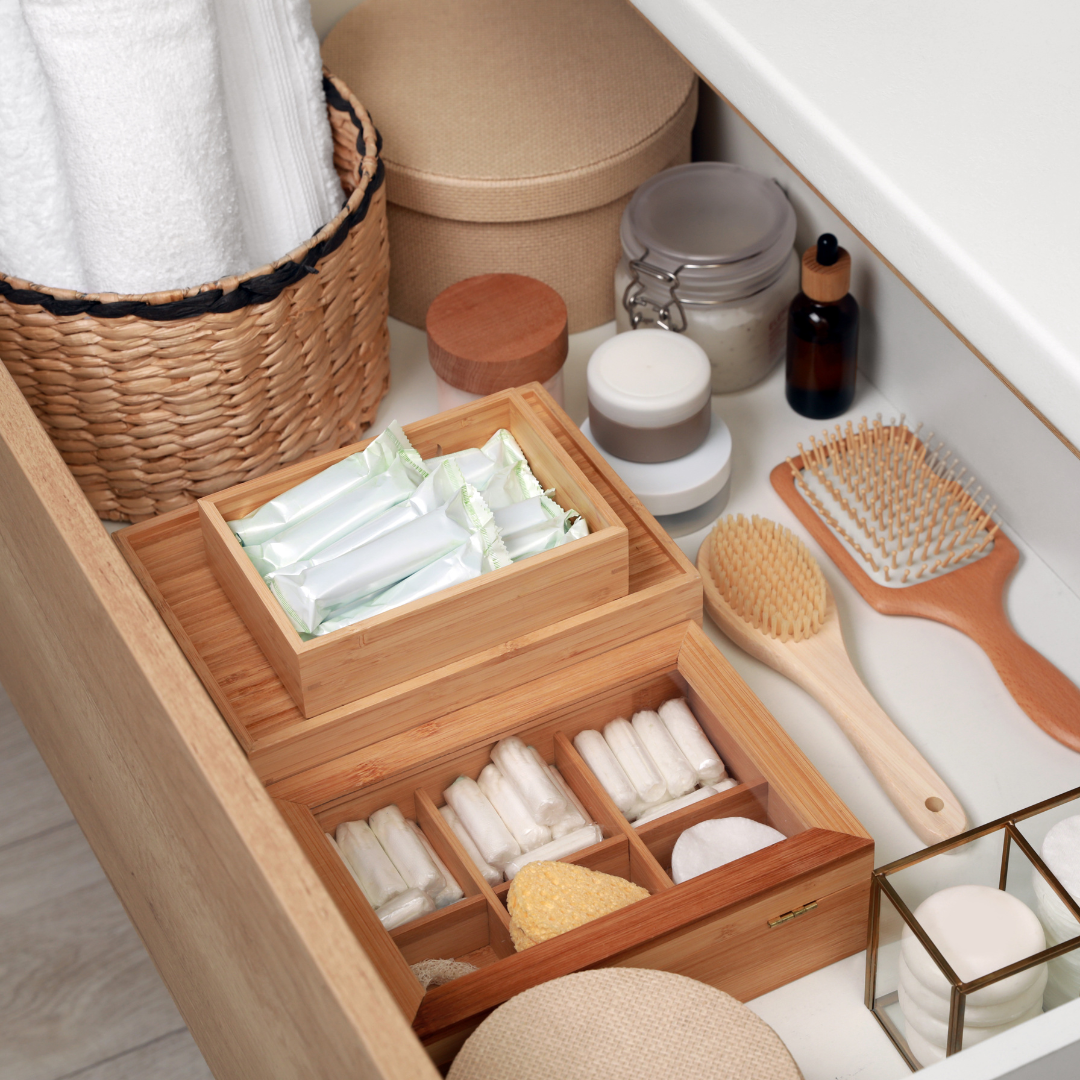
In today’s fast-paced world, prioritising self-care has become essential for maintaining overall well-being. A self-care toolkit serves as a personalised collection of resources and strategies to support mental, emotional, and physical health. Creating and utilising a self-care toolkit empowers individuals to manage stress and enhance their quality of life effectively.
Having a well-structured self-care toolkit allows for a proactive approach to life’s challenges. It provides the tools needed to navigate various stressors and promotes resilience, enabling individuals to recharge when necessary. By thoughtfully curating their toolkit, a person can ensure they have the right strategies readily available to them.
Whether it includes mindfulness techniques, physical activities, or favourite hobbies, a self-care toolkit is tailored to meet individual needs. This personalised approach fosters a deeper connection to self-care practices, making them more effective and easier to implement. Recognising the value of a self-care toolkit is the first step towards enhanced well-being and a fulfilling lifestyle.
Understanding the Importance of Self-Care
Self-care is essential for maintaining health and well-being. It encompasses various activities that help manage stress and promote mental health, ultimately enhancing happiness and comfort in daily life.
Defining Self-Care and Its Goals
Self-care refers to intentional actions individuals take to care for their physical, emotional, and mental health. Its primary goals include reducing stress, preventing burnout, and promoting overall well-being.
Common self-care activities include:
- Physical exercise: Enhances fitness and reduces anxiety.
- Healthy eating: Fuels the body and supports mental clarity.
- Mindfulness practices: Helps cultivate emotional resilience.
A self-care toolkit might include resources such as journals, relaxation techniques, and exercise plans. These tools empower individuals to prioritise their needs, leading to improved emotional and mental health.
Recognising Signs of Burnout and Stress
Burnout and stress can significantly impact one’s health and lifestyle. Recognising early signs is crucial for effective intervention. Key indicators include:
- Exhaustion: A constant feeling of tiredness, both physically and emotionally.
- Irritability: Increased frustration or mood swings.
- Decreased motivation: Loss of interest in activities once enjoyed.
By identifying these symptoms, individuals can take proactive steps to implement their self-care routine. Addressing burnout swiftly aids in maintaining mental health and supports a balanced lifestyle.
Creating a Personalised Self-Care Toolkit
A personalised self-care toolkit focuses on addressing individual emotional and physical needs. It brings together various tools and techniques to support mental health, promote relaxation, and enhance overall well-being.
Assessing Your Emotional and Physical Needs
Identifying specific emotional and physical needs is the first step in creating a self-care toolkit. He or she should consider daily stressors and underlying emotions. Keeping a journal can be helpful to document feelings and triggers.
A self-care plan might include regular check-ins to evaluate how one feels mentally and physically. Questions like “Am I feeling overwhelmed?” or “Have I had enough rest?” can guide this process. Connecting with a therapist may also offer insights into personal needs, helping to refine the toolkit further.
Incorporating Mindfulness and Relaxation
Mindfulness practices are essential components of a well-rounded self-care toolkit. Techniques such as meditation and yoga promote relaxation and mental clarity.
Setting aside dedicated time for these activities can create a routine that enhances emotional resilience.
Aromatherapy, with essential oils, can amplify relaxation effects. Incorporating calming scents like lavender or chamomile into daily routines can create a soothing atmosphere. Finally, paying attention to one’s nutrition and sleep patterns supports overall well-being, further enriching the toolkit.
Choosing Tools for Physical Rejuvenation
Physical rejuvenation tools should focus on promoting health and vitality. Regular exercise is one of the most effective ways to boost energy levels and reduce stress.
Creating a diverse exercise routine can include activities such as walking, swimming, or dancing, depending on personal preference.
Self-care boxes can also hold items like bath salts to enhance relaxation during a warm bath. These items support self-care rituals and provide a tangible way to unwind. Integrating these tools into daily life helps create a holistic approach to self-care, fostering both physical and emotional health.
Weekly and monthly rituals should also take place to keep stress levels down. Massages have been known to help many people de-stress and soothe aching muscles as well as chronic pain. Going online and searching up key phrases such as “Massage spa near me in Draper, UT” for instance, will provide people with the information they need to book a session.
Building Resilience Through Self-Care Practices
Self-care practices play a crucial role in building resilience, enabling individuals to handle stress more effectively and maintain well-being. Emphasising healthy routines and fostering emotional strength can significantly enhance one’s ability to navigate challenges.
Developing Healthy Routines
Establishing a consistent self-care routine is essential for enhancing resilience. This includes prioritising sleep, which is vital for cognitive function and emotional regulation. Aim for 7-9 hours of quality sleep each night to improve productivity and mood.
In addition to rest, maintaining consistent personal grooming habits could reinforce a sense of structure and self-confidence. For example, men may benefit from scheduling regular haircuts or beard trims with experienced Barbers in Kensington (or elsewhere), helping them maintain a polished appearance while also supporting emotional well-being.
Similarly, women may incorporate routine salon visits, hair treatments, or skincare appointments into their schedules to feel refreshed and confident. Over time, these small yet consistent grooming rituals can strengthen self-esteem and help individuals approach their daily responsibilities with greater assurance and poise.
Nutrition also contributes significantly to resilience. A balanced diet rich in fruits, vegetables, whole grains, and protein supports physical health and mental clarity. Staying hydrated is equally important; drinking adequate water can enhance focus and overall well-being.
Incorporating exercise into a daily routine boosts endorphins, reducing stress and increasing motivation. Regular physical activity, even in moderate forms like walking, can improve emotional stability. Moreover, integrating moments of mindfulness or relaxation can create a robust foundation for facing life’s demands.
Fostering Emotional Strength
Emotional strength is built through connection and support. Engaging with friends and family provides a safety net during tough times. Having a supportive network allows individuals to express their feelings and share experiences, reducing feelings of isolation.
Practising gratitude can enhance emotional resilience. Regularly acknowledging and appreciating positive aspects of life shifts focus away from challenges. This can be done through journaling or simple reflection.
Setting boundaries is another critical practice. It protects emotional needs and prevents burnout. Learning to say no can enhance self-respect and prioritise well-being. By consistently nurturing emotional health, one lays the groundwork for a resilient mindset capable of withstanding adversity.
Maintaining and Evolving Your Self-Care Strategy
A self-care strategy should be a dynamic aspect of one’s lifestyle, adapting over time to meet changing needs. Regular assessments and adjustments ensure that activities support well-being, energy levels, and comfort effectively. Seeking professional advice can also be beneficial in refining these strategies.
Regularly Upgrading Your Self-Care Activities
Self-care activities may become less effective as circumstances change. Regularly reviewing the self-care plan is essential for maintaining engagement and satisfaction.
Some ways to upgrade activities include:
- Exploring new hobbies: Trying out different creative outlets can add fun and inspiration.
- Experimenting with physical activities: Engaging in yoga, dance, or walking can improve energy levels and wellness.
- Reflecting on emotional needs: Identify stressors to choose self-care ideas that address specific anxieties or feelings of depression.
Incorporating feedback from personal experiences can help maintain enthusiasm and effectiveness in self-care routines.
Seeking Professional Advice When Necessary
Consulting a therapist or healthcare professional can enhance one’s self-care strategy. They offer tailored guidance that aligns with individual circumstances, particularly for those experiencing heightened anxiety or depression.
Professionals can assist in:
- Identifying underlying issues affecting well-being.
- Recommending specific self-care activities targeted at managing symptoms.
- Providing support during challenging times.
Involving a professional can deepen understanding and encourage proactive lifestyle changes. This partnership helps ensure that the self-care strategy remains relevant and effective in promoting overall wellness.
Leave a Reply